Evaluating gold investments requires a structured approach rather than impulse decisions. Beginners often focus only on price or hype, overlooking authenticity, counterparty risks, storage needs, and alignment with overall goals.
A systematic checklist ensures every aspect is reviewed deliberately—protecting capital and supporting long-term preservation. This guide provides a step-by-step checklist, detailed explanations, red flags, and integration tips. No short-term speculation; emphasis on timeless due diligence.
The Core Checklist: 10 Key Evaluation Steps
Use this as your repeatable process. Document answers for each investment.
- Define Your Purpose and Allocation Fit
Ask: Why gold? Diversification hedge? Preservation? Inflation resilience?
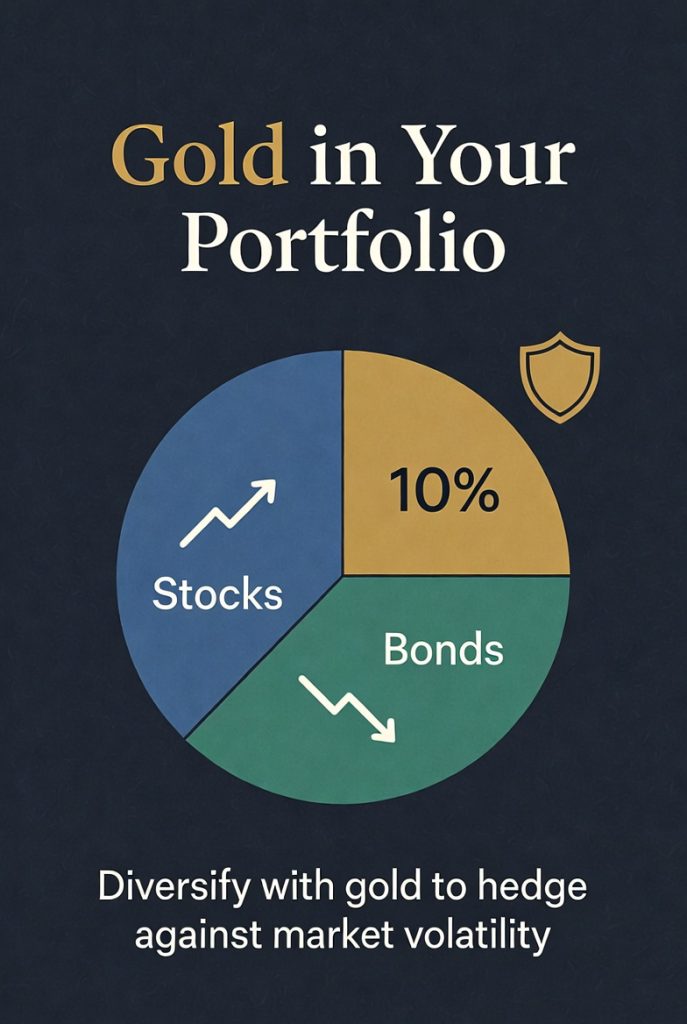
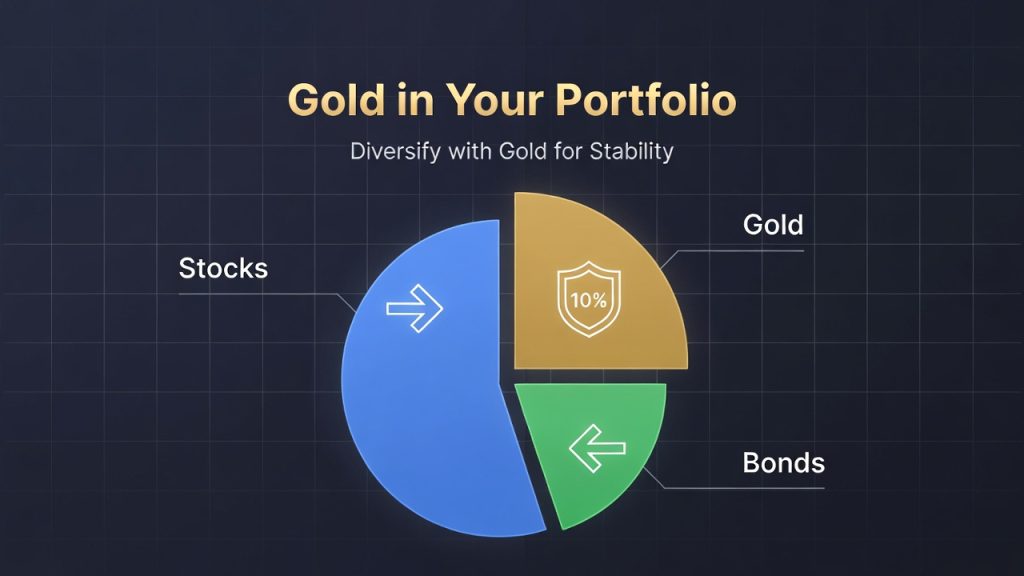
Check: Does this fit your risk tolerance and portfolio (e.g., 5–15% max)? Reference your diversification guide.
Red flag: Adding gold reactively during market fear. - Choose the Right Form of Exposure
Physical (bars/coins)? ETF? Mining stock?
Evaluate: Liquidity needs, storage willingness, counterparty tolerance.
See related guide on ways to invest in gold for trade-offs. - Verify Authenticity and Quality
Purity (karats/fineness), hallmarks, certificates.
Tests: Magnet (non-magnetic), weight/dimensions, acid/electronic assays.
Buy from sources with buy-back guarantees and assay reports.
Red flag: Too-good deals, no documentation. - Assess Dealer/Platform Reliability
Reputation, years in business, reviews, membership in associations (e.g., LBMA for global, local trusted dealers).
Check: Transparent pricing, clear terms, secure payment/shipping.
Red flag: High-pressure sales, unsolicited offers. - Understand Costs and Premiums
Dealer markup over spot, shipping, storage/insurance fees, selling spreads.
Calculate total cost of ownership—not just purchase price.
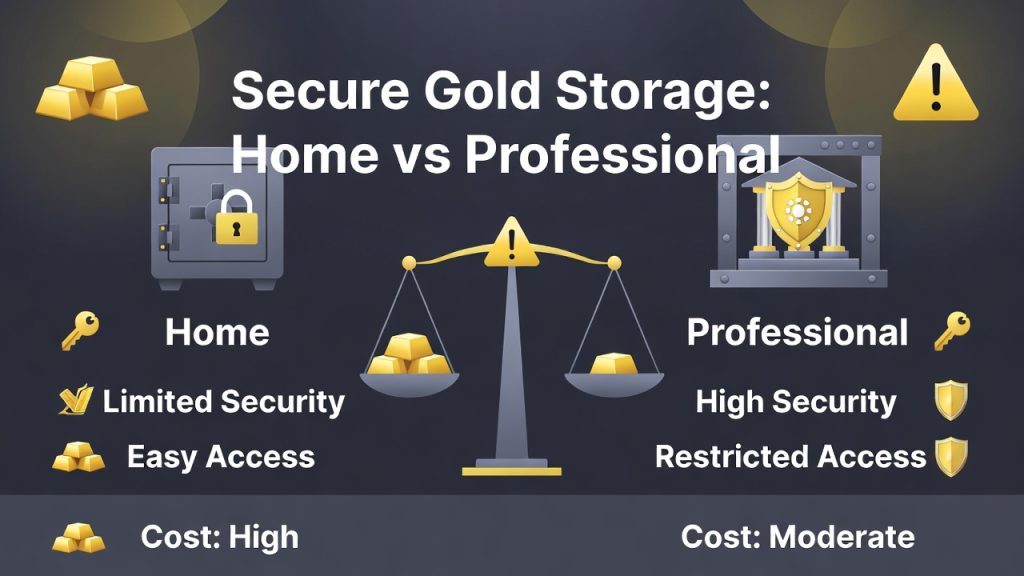
Red flag: Hidden fees or excessive premiums on small items. - Evaluate Storage and Security Plan
Home safe? Bank box? Professional vault?
Factor in insurance coverage limits and access needs.
Reference storage guide for options and trade-offs. - Analyze Risks Specific to This Investment
Counterparty (for non-physical), theft/loss, liquidity in stress, regulatory (local rules on holdings/transport).
Ask: Worst-case scenario and mitigation? - Check Liquidity and Exit Strategy
How quickly can you sell? Dealer buy-back? Secondary market?
Consider spreads and potential delays. - Review Documentation and Record-Keeping
Receipts, serial numbers, photos, appraisals, cost basis.
Store copies offsite/encrypted. - Align with Behavioral Discipline
Is this part of your predefined process or emotion-driven?
Set rules: No more than X% allocation, rebalance triggers.
Quick Reference Table: Red Flags vs Green Lights
| Category | Red Flags (Avoid) | Green Lights (Proceed) |
|---|---|---|
| Authenticity | No certificate, unusual shine/weight | Hallmarks, assay report, reputable mint |
| Dealer | Unsolicited calls, pressure tactics | Established, transparent, positive reviews |
| Costs | High premiums (>10% over spot for coins) | Reasonable spreads, clear fees |
| Storage/Risk | No plan, under-insured | Allocated vault or secured home setup |
| Liquidity | No buy-back, private sales only | Dealer guarantee or ETF-like ease |
Behavioral and Practical Tips for Beginners
- Start small: Test process with modest amount.
- Use checklists repeatedly—print or digital template.
- Avoid FOMO: If it doesn’t pass all steps, walk away.
- Document rationale: Helps future reviews.
- Re-evaluate annually or on life changes.
Local note (for Nigerian context): Verify dealers through trusted networks, check CBN guidelines on precious metals imports/holdings if applicable, and consider logistics for international purchases.
Final Thoughts
This checklist turns gold evaluation from guesswork into a repeatable, disciplined process—aligning with your site’s focus on systematic wealth building. Master it, and you’ll avoid common pitfalls while building confidence in alternative assets.
Related reading:
- Ways to Invest in Gold
- How to Store Gold Securely
- How Gold Fits into a Diversified Portfolio
- Understanding Risk and Return
Frequently Asked Questions
- Why use a checklist for gold investments?
It forces systematic review, reducing emotional decisions and oversight risks. - What is the most important step for beginners?
Defining purpose—ensure it fits your portfolio goals. - How do I test gold authenticity at home?
Basic: Magnet test, weight check, ping test; professional assay for certainty. - What premium is reasonable for physical gold?
3–8% for coins/bars from reputable sources; higher for small/collectible items. - Should I buy from online dealers?
Yes—if established with good reviews, secure payments, and insurance. - What if the dealer offers “too good to be true” prices?
Walk away—likely fake or scam. - How much documentation do I need?
Purchase receipt, serial numbers, photos; keep offsite backups. - Is jewelry a good gold investment?
Rarely—high making charges reduce value; better for personal use. - Can I evaluate ETFs the same way?
Similar checklist: Issuer reputation, backing (physical?), expense ratio, liquidity. - What red flags indicate a scam?
Unsolicited offers, pressure, no verifiable reviews, offshore secrecy. - How does this checklist tie to diversification?
Ensures gold adds value without introducing unmanaged risks. - Should I get an independent appraisal?
Recommended for larger physical holdings—confirms value/authenticity. - What about taxes or regulations when evaluating?
Factor in local rules (e.g., reporting thresholds); consult if needed. - How often should I re-run the checklist?
For new purchases; annually for existing holdings to confirm ongoing fit.