How to Build Your First Diversified Portfolio as a Beginner
Why Diversification Is Your Best Friend as a New Investor
Building your first investment portfolio can feel daunting—what should you buy? How much of each? The key concept that makes it simple and effective is diversification: spreading your money across different assets so that one poor performer doesn’t sink your entire plan.
In 2026, with easy access to low-cost index ETFs, fractional shares, and automated tools, beginners can create a solid, diversified portfolio with just a few holdings. This approach has historically delivered strong long-term growth while reducing risk.
This guide walks you through the fundamentals of diversification, how to choose an asset allocation, sample beginner portfolios, and step-by-step implementation. (Building on our series: How to Start Investing, Stock Market Basics, Choosing a Brokerage, Index Funds & ETFs, and DCA vs. Lump Sum.)
Core Principle: Don’t put all your eggs in one basket. A diversified portfolio owns many “baskets” (stocks, bonds, geographies) to smooth out volatility and improve risk-adjusted returns.
What Does Diversification Really Mean?
Diversification reduces risk by investing in assets that don’t move perfectly together:
- Stocks offer growth but high volatility.
- Bonds provide stability and income but lower returns.
- Different geographies (U.S., international, emerging markets) protect against country-specific downturns.
- Sectors & company sizes (tech, healthcare, small-cap) spread industry risk.
Historical Benefit: A 100% stock portfolio might return ~10% annually long-term but with big drawdowns (e.g., -50% in crashes). Adding bonds can cut losses in half while still delivering 7–8% returns.
Asset Allocation: The Foundation of Your Portfolio
Asset allocation = the percentage split between stocks, bonds, cash, etc. It drives ~90% of your long-term returns (per studies like Brinson, Hood, Beebower).
Key Factors to Determine Yours:
- Age / Time Horizon: Younger → more stocks (growth). Older/near goals → more bonds (preservation).
- Risk Tolerance: Can you sleep during a 30% drop? High → aggressive; low → conservative.
- Goals: Retirement far away? Aggressive. Short-term house down payment? Conservative.
Sample Beginner Portfolios for Different Profiles
| Profile | Age / Horizon | Stocks % | Bonds % | Sample Holdings (ETFs) | Expected Long-Term Return (Historical Approx.) | Risk Level |
|---|---|---|---|---|---|---|
| Aggressive (Young Beginner) | 20–35 / 20+ years | 90–100% | 0–10% | 70% VTI or VOO (U.S.) + 30% VXUS (International) | ~9–10% | High volatility |
| Balanced (Most Beginners) | 30–50 / 10–25 years | 70–80% | 20–30% | 60% VTI + 20% VXUS + 20% BND (Bonds) | ~7–9% | Moderate |
| Conservative (Cautious or Near-Goal) | 50+ / <10 years | 40–60% | 40–60% | 40% VTI + 20% VXUS + 40% BND | ~5–7% | Lower volatility |
| One-Fund Simple Global | Any / Long-term | ~100% stocks | 0% | 100% VT (Vanguard Total World Stock ETF) | ~8–9% | High but diversified |
Why These ETFs? Low-cost (0.03–0.08% expense ratios), broad coverage, available on major brokers.
Step-by-Step: Building Your First Portfolio
- Assess Yourself: Answer: Age? Goals? Risk comfort? Use free online quizzes (Vanguard, Fidelity) for guidance.
- Open & Fund Account: Choose beginner-friendly broker (Fidelity, Vanguard, Schwab—see our brokerage guide).
- Choose Allocation: Pick from samples above or customize (e.g., 80/20 stocks/bonds for balanced).
- Select Holdings: Buy 2–4 ETFs for simplicity:
- U.S. stocks: VTI or VOO
- International: VXUS or IXUS
- Bonds: BND or AGG
- Invest the Money: Lump sum or DCA (see our previous guide). Use fractional shares if needed.
- Set It and (Mostly) Forget It: Automate contributions if possible.
Example with $5,000 (Balanced 80/20):
- $3,000 → VTI (U.S. total market)
- $1,000 → VXUS (International)
- $1,000 → BND (Bonds)
Rebalancing: Keeping Your Portfolio on Track
Over time, stocks may grow faster than bonds → allocation drifts (e.g., 80/20 becomes 90/10).
How to Rebalance:
- Annually or when allocation drifts >5–10%.
- Sell winners / buy underperformers to restore target.
- Use new contributions to rebalance without selling (tax-efficient).
Many brokers offer automatic rebalancing in robo-advisor accounts (e.g., Fidelity Go, Betterment).
Common Beginner Mistakes to Avoid
- Over-diversifying (too many funds → complexity, higher fees).
- Chasing hot sectors (e.g., all tech in 2021 → big drop in 2022).
- Ignoring international exposure (U.S. has outperformed recently, but diversification protects).
- Frequent tinkering → higher taxes, emotional decisions.
- Forgetting bonds as you age → too much risk near goals.
FAQs for Building Your First Portfolio
How many holdings do I need? 2–4 broad ETFs are plenty for excellent diversification.
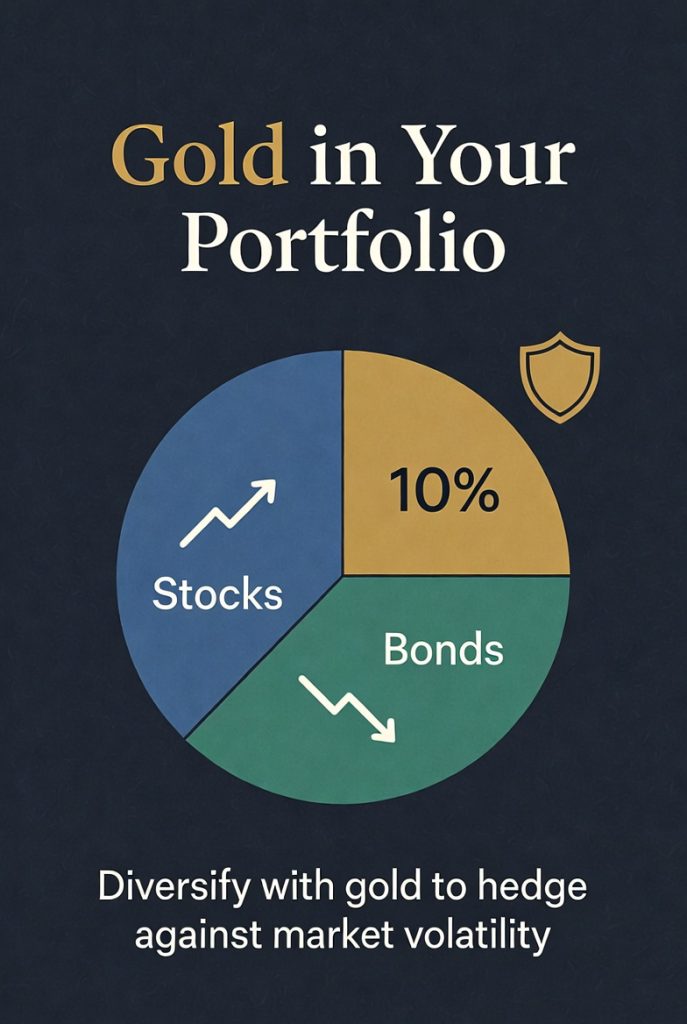
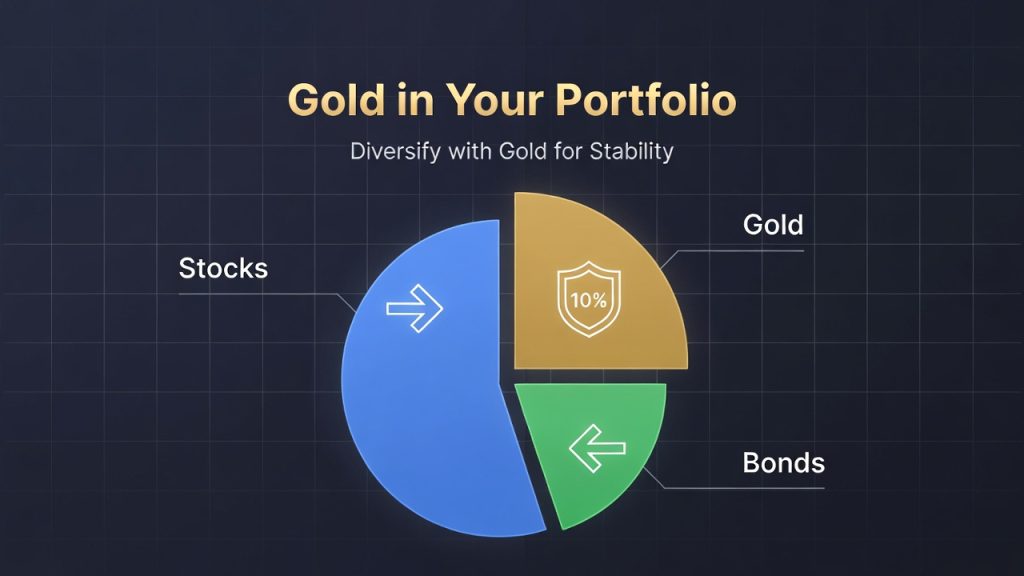
Should I include cash or alternatives? Small cash for emergencies; alternatives (gold, real estate) optional later.
What if markets crash after I build it? Normal—stay invested. Diversified portfolios recover faster than single stocks.
Can I use robo-advisors instead? Yes—Betterment, Wealthfront, Fidelity Go build/manage diversified portfolios automatically (low fees, great for hands-off beginners).
Conclusion: Start Simple, Stay Consistent
Your first diversified portfolio doesn’t need to be complicated. Pick a simple allocation (e.g., 80/20 or 100% global stocks via VT), use low-cost index ETFs, invest regularly, and rebalance occasionally. That’s the foundation most millionaires use.
In 2026, tools make this easier than ever. Focus on starting and staying invested—the magic of compounding and diversification will handle the rest.