Investing is often associated with profits, growth, and wealth building. Yet, the most successful investors in the world do not begin by asking, “How much can I make?” Instead, they ask, “How much could I lose, and how do I prevent it?”
This mindset shift separates disciplined investors from gamblers. Markets rise and fall, economic conditions change, and unexpected events can shake even the strongest financial systems. Without proper risk management, one bad decision can erase years of progress.
Risk management is not about avoiding investing — it is about protecting capital while positioning yourself for long-term growth. This guide explains the essential risk management strategies every investor should understand, using clear explanations and practical examples.
What Is Risk Management in Investing?
Risk management is the process of identifying, assessing, and controlling potential losses in an investment portfolio.
It ensures that:
- losses remain manageable
- no single mistake destroys your capital
- emotional decisions are minimized
- long-term growth remains possible
Professional investors understand that capital preservation is the foundation of wealth building.
If you lose 50% of your portfolio, you need a 100% gain just to break even. Avoiding large losses is therefore more important than chasing large gains.
Why Protecting Capital Matters More Than Churning Profits
Many beginners focus only on returns. However, experienced investors prioritize downside protection.
The Mathematics of Loss
- Lose 10% → need 11% gain to recover
- Lose 25% → need 33% gain to recover
- Lose 50% → need 100% gain to recover
The deeper the loss, the harder recovery becomes.
This is why institutional investors focus heavily on risk control before seeking returns.
Understanding the Major Types of Investment Risk
Risk comes in different forms. Recognizing them helps you prepare effectively.
Market Risk
The risk that overall markets decline due to economic downturns, interest rate changes, or financial crises.
Inflation Risk
When inflation rises, purchasing power falls. Your investments may grow, but their real value could decline.
Liquidity Risk
Some assets cannot be easily sold without reducing their price. This can trap investors during emergencies.
Interest Rate Risk
Rising interest rates can reduce the value of bonds and affect stock valuations.
Behavioral Risk
Emotional decisions driven by fear or greed often lead to poor investment choices.
Understanding these risks helps you build protective strategies.
Position Sizing: Never Risk Too Much at Once
One of the simplest and most powerful risk management tools is position sizing.
Position sizing determines how much of your capital you commit to a single investment.
Common Professional Rule
Many professionals risk no more than 1–2% of their total capital on any single trade or investment decision.
Example:
If you have $1,000:
- 1% risk = $10 maximum loss per position
- 2% risk = $20 maximum loss per position
This ensures that multiple losses do not wipe out your account.
Diversification: Do Not Put All Your Eggs in One Basket
Diversification spreads investments across different asset classes to reduce overall risk.
Instead of relying on one investment, diversified portfolios include:
- stocks
- bonds
- commodities
- real estate
- cash reserves
When one asset class declines, others may remain stable or rise.
Example:
During market downturns, safe-haven assets like gold often hold value better than stocks.
Diversification reduces volatility and improves long-term stability.
Risk-to-Reward Ratio: A Professional Decision Tool
Before entering an investment, professionals evaluate potential reward relative to risk.
A risk-to-reward ratio measures how much you could gain versus how much you could lose.
Example:
Risk $100 to potentially gain $300
Risk-to-reward ratio = 1:3
This means one successful outcome can offset multiple losses.
Many disciplined investors avoid opportunities that do not offer favorable risk-to-reward ratios.
Stop-Loss Discipline: Protecting Against Large Losses
A stop-loss is a predefined exit point where you close a position to prevent further loss.
It removes emotional decision-making and protects capital.
Why Stop-Losses Matter
Without a stop-loss, investors may hold losing positions hoping they recover.
This behavior can turn small losses into devastating ones.
Example:
If you buy a stock at $100, you may set a stop-loss at $92 to limit potential loss.
This protects your portfolio from significant damage.
Portfolio Rebalancing: Maintaining Your Risk Balance
Over time, certain investments grow faster than others, altering your original allocation.
Rebalancing restores your intended balance.
Example:
Original allocation:
- 60% stocks
- 30% bonds
- 10% gold
If stocks grow rapidly, they may become 75% of the portfolio, increasing risk exposure.
Rebalancing involves selling a portion of stocks and redistributing funds to maintain balance.
Professional investors rebalance periodically to manage risk.
Hedging: Protecting Against Market Downturns
Hedging involves using assets or strategies designed to offset potential losses.
Common hedging approaches include:
- holding precious metals
- investing in defensive sectors
- maintaining cash reserves
- using inverse or protective instruments
Hedging does not eliminate losses but reduces portfolio vulnerability during downturns.
Risk Exposure Limits: Setting Boundaries
Professional investors set limits to avoid excessive exposure.
Examples include:
- limiting exposure to a single sector
- limiting high-risk investments
- maintaining emergency liquidity
These limits prevent overconcentration and improve resilience.
Emotional Risk: The Silent Portfolio Killer
Many losses occur not because of poor investments, but poor decisions.
Common Emotional Mistakes
- panic selling during market drops
- buying during hype-driven rallies
- revenge trading after losses
- overconfidence after wins
Emotional discipline is a core risk management skill.
Real-World Mistakes Investors Make
Understanding common errors helps you avoid them.
Chasing Quick Profits
High returns often come with high risk.
Ignoring Diversification
Overexposure increases vulnerability.
Refusing to Accept Small Losses
Small losses are manageable; large losses are destructive.
Investing Without a Plan
A lack of structure leads to emotional decisions.
Beginner-Friendly Risk Rules to Follow
If you are starting out, these simple rules can dramatically improve outcomes:
✔ Risk only 1–2% of capital per position
✔ Diversify across multiple assets
✔ Always define exit points
✔ Maintain emergency cash reserves
✔ Avoid emotional decision-making
✔ Focus on long-term growth
These principles create a strong foundation for disciplined investing.
Sample Risk Management Framework for Beginners
Step 1: Capital Protection First
Focus on avoiding major losses.
Step 2: Diversify Assets
Avoid reliance on a single investment.
Step 3: Use Position Sizing
Control exposure to individual trades.
Step 4: Apply Stop-Loss Rules
Protect against unexpected market moves.
Step 5: Review and Rebalance
Maintain portfolio alignment over time.
This structured approach helps investors stay disciplined and consistent.
How Risk Management Supports Long-Term Wealth Building
Risk management is not about limiting growth. Instead, it supports sustainable wealth accumulation.
Investors who protect capital can:
- stay invested during downturns
- take advantage of opportunities
- avoid catastrophic losses
- maintain psychological confidence
Wealth building is a long-term process. Protecting capital ensures you remain in the game.
Final Thoughts
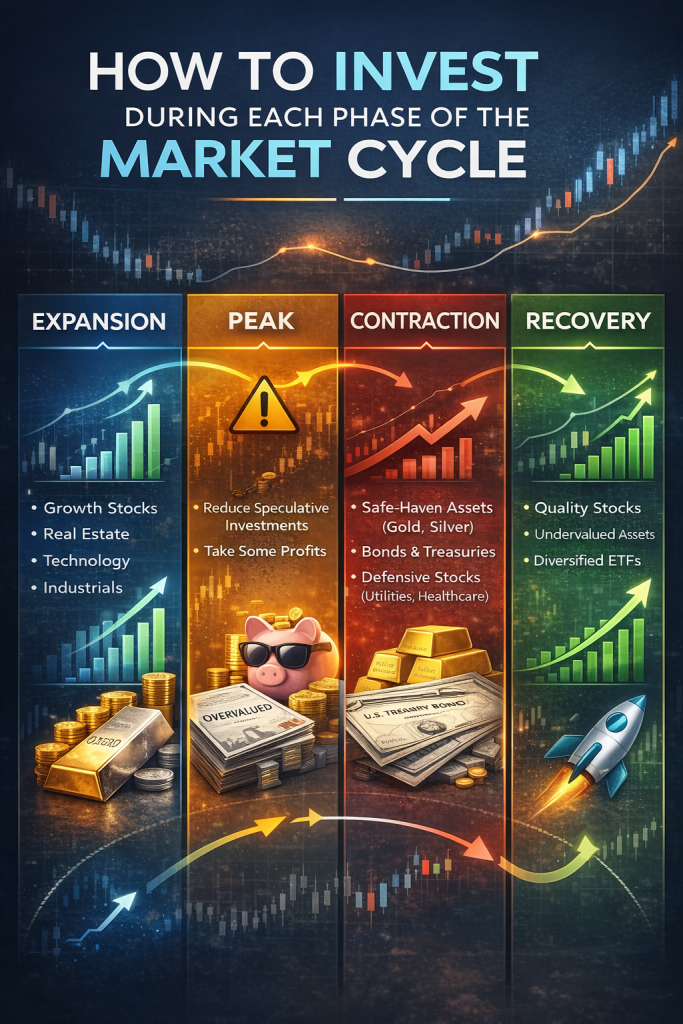
Markets will always fluctuate. Economic cycles will rise and fall. Unexpected events will occur. These realities make risk unavoidable — but catastrophic loss is preventable.
Successful investing is not about predicting the future perfectly. It is about preparing intelligently, protecting capital, and maintaining discipline.
By applying position sizing, diversification, stop-loss discipline, portfolio balance, and emotional control, you transform investing from speculation into a structured wealth-building process.
In the end, smart investors do not survive because they avoid risk — they survive because they manage it wisely.