
Dollar Hedging & Inflation Protection for Beginners in High-Inflation Emerging Markets 2026
Inflation and currency depreciation are silent thieves — they quietly reduce what your hard-earned money can buy. In 2026, many emerging markets — especially in Africa (Nigeria, Ghana, Kenya, Zimbabwe), Latin America (Argentina, Venezuela), and parts of South Asia — continue to face persistent high inflation (15–40%+ in some cases) and currency volatility. For beginners in these environments, dollar hedging is not a luxury — it is a basic survival strategy for preserving purchasing power while still capturing long-term growth.
This comprehensive guide is written specifically for absolute beginners in high-inflation emerging markets. It explains exactly what dollar hedging means, why it is more important than ever in 2026, the simplest and safest ways to implement it, realistic examples with real numbers, step-by-step instructions using accessible apps, risk management rules, tax and regulatory notes by country, and the mindset needed to stay consistent through ups and downs. You do not need thousands of dollars or advanced knowledge — many people start with ₦10,000–₦50,000 (or equivalent) per month. The goal is protection first, growth second. Let’s build your shield against inflation together.
Why Dollar Hedging Is Essential for Beginners in 2026
In high-inflation environments, local currency savings lose value fast. Here are the hard numbers from recent years (2023–early 2026):
- Nigeria: Naira lost ~70–80% of value against USD since 2023
- Ghana: Cedi depreciated ~50–60% in the same period
- Kenya: Shilling weakened ~25–35%
- Argentina: Peso lost >90% in some stretches
- Zimbabwe, Venezuela: Hyperinflation episodes continued intermittently
Even when local stock markets or fixed-income options deliver strong nominal returns (e.g., NGX +30–50% in local terms), inflation and currency loss can wipe out most or all real gains. Dollar-denominated assets act as a hedge — they maintain or increase purchasing power when local currency weakens.
Key benefits for beginners:
- Preserve real wealth (what your money can actually buy)
- Access global growth (US markets average ~7–10% long-term real returns)
- Build confidence — a dollar-based portion reduces emotional stress during local crises
- Accessible in 2026 — fintech apps make it possible with $10–$50 minimums
Real motivation: Thousands of young Nigerians, Kenyans, and Ghanaians who started small dollar investments in 2020–2023 have seen their real wealth grow significantly despite local currency crashes.
Understanding Inflation & Currency Risk in Emerging Markets
Inflation is the general rise in prices — your ₦100,000 buys less food, rent, or fuel each year. Currency depreciation means your local money buys fewer dollars (and thus fewer imported goods). In many EMs:
- Imported inflation: Oil, food, medicine, electronics priced in USD
- Policy & political risk: Sudden devaluations, capital controls, or subsidy removals
- Commodity dependence: Oil exporters (Nigeria) or importers (Kenya, Ghana) suffer when global prices swing
Historical example: A Nigerian who kept ₦1 million in a bank savings account from 2020–2026 would have lost ~60–70% of real purchasing power due to inflation + naira depreciation — even with interest earned. The same amount partly invested in dollar assets would have preserved or grown real value.
Simple Dollar Hedging Strategies for Beginners (Ranked by Ease)
Strategy 1: Dollar Savings / Stablecoin Wallets (Easiest & Lowest Risk)
Hold actual USD or USD-pegged stablecoins (USDT, USDC) inside regulated apps.
Why it works: Direct protection — your balance is in dollars, not naira/shilling/cedi.
Platforms: Risevest (dollar portfolios), Trove (dollar wallet), Bamboo (USD holdings), Chipper Cash or Paga (stablecoin options in some cases).
Yield: 0–5% (some apps offer interest on USD balances).
Risk: Very low (platform risk, conversion fees).
Minimum: $5–$50.
How to start checklist:
1. Open Risevest or Trove account.
2. Fund with local currency.
3. Convert portion to USD wallet.
4. Set recurring auto-conversion.
5. Hold long-term or reinvest later.
Strategy 2: US Treasury ETFs / Short-Term Dollar Bonds (Safest Growth)
Buy ETFs that hold US Treasury bills/notes (very low credit risk).
Platforms: Bamboo, Trove, Risevest (many offer SGOV, BIL, or similar).
Yield: ~4–5.5% (2026 short-term US rates).
Risk: Interest-rate risk (prices fall if rates rise), but very low credit/default risk.
Minimum: $10–$50 (fractional shares).
Strategy 3: Broad US Index ETFs (Growth + Hedging)
Invest in S&P 500 or total US market ETFs — dollar exposure + equity growth.
Recommended ETFs: VOO (S&P 500), VTI (total market), SPY.
Historical real return: ~7–10% annualized (after inflation).
Risk: Medium (market volatility), but lower currency risk.
Platforms: All major Nigerian/African apps (Bamboo, Trove, Risevest).
Strategy 4: Dollar-Denominated Money Market or Fixed Income Funds
Apps offer USD money market funds or short-term bond funds.
Yield: 4–6% USD.
Risk: Very low.
Platforms: Risevest, Bamboo dollar options.
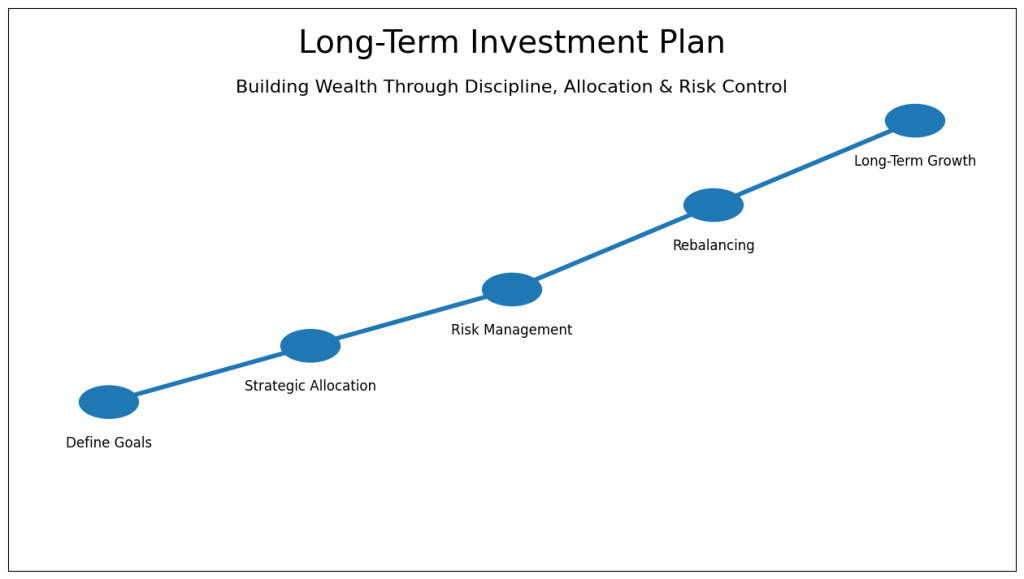
Step-by-Step: How to Build Your Dollar Hedging Plan in 2026
- Assess your situation: Calculate monthly surplus after expenses/debt/emergency fund.
- Decide allocation: 30–70% in dollar assets (higher % if inflation >20%).
- Open 1–2 accounts: Start with Risevest (dollar focus) + Bamboo/Trove (ETF access).
- Fund & convert: Deposit local currency, convert desired amount to USD.
- Buy assets: Start with 50% stable dollar (Strategy 1/2), 50% US ETFs (Strategy 3).
- Automate everything: Set recurring deposits + auto-conversion + auto-invest.
- Review quarterly: Check balance in dollar terms, not local currency.
- Rebalance annually: Adjust back to target allocation.
Realistic Examples & Compound Projections
Nigeria example (2026 start):
– ₦30,000/month (~$18–20)
– 50% USD stable (4% yield), 50% VOO ETF (9% average)
– After 10 years: ~₦8–12 million (real purchasing power preserved + grown)
– After 20 years: ~₦40–80 million (significant wealth in dollar terms)
Kenya example:
– KSh 15,000/month
– 60% dollar assets → strong protection against shilling weakness
Risks & How to Manage Them
- Currency conversion fees (1–3%) → minimize by batching larger amounts
- Platform risk → use only regulated, well-reviewed apps
- USD depreciation (rare long-term) → balance with local growth assets
- Opportunity cost → if local market outperforms, you miss some upside (diversify)
- Regulatory changes → stay updated via CBN/CMA/FSCA alerts
Tax & Regulatory Notes by Country (2026)
- Nigeria: Capital gains tax 10% on profits; dividends may face withholding. Use RSA for tax deferral if possible.
- Kenya: Capital gains 15%; some exemptions for long-term holdings.
- South Africa: Capital gains inclusion rate 40%; tax-free savings accounts available.
- Ghana: Capital gains 15–25%; check GRA rules.
FAQs: Dollar Hedging for Beginners 2026
Related Articles
- How to Invest in US Stocks & ETFs from Emerging Markets
- Best Beginner Investment Apps & Platforms
- Top 10 Beginner-Friendly Investment Opportunities
- Understanding Risk and Return
Final Thoughts & Your Simple 2026 Hedging Plan
Inflation and currency depreciation do not have to win. Dollar hedging gives beginners in high-inflation emerging markets a powerful shield — and a path to real growth. Start today: open one app, convert a small amount to dollars, buy a US ETF or stable asset, and automate the habit. Over years, this simple discipline can protect and multiply your wealth.
Your 2026 action plan:
- This week: Open Risevest or Bamboo and verify.
- Next week: Deposit and convert your first $20–$50 to dollars.
- Every month: Auto-invest 20–50% of surplus into dollar assets.
- Every quarter: Check balance in USD terms.
- Every year: Increase contribution as income grows.
Your future purchasing power is in your hands. Take the first step now — the earlier you start, the stronger your shield becomes.
Which hedging step will you take first? Share below — we’re here to support you.





Pingback: Retirement & Long-Term Planning For Beginners In Emerging Markets 2026: A Step-by-Step Guide — The Capital Process
Pingback: Best Fixed Income & Safe Investments For Beginners In Emerging Markets Africa 2026 — The Capital Process
Pingback: How To Start Investing As A Beginner In Emerging Markets 2026: Step-by-Step Multinational Guide — The Capital Process