Passive Income for Beginners: Best Ways to Get Started in 2026
Introduction: What Passive Income Really Means for New Investors
Passive income is money earned with minimal ongoing effort after initial setup—think dividends from stocks, interest from bonds, or distributions from funds. For beginners, it’s one of the most powerful ways to build long-term wealth without needing to trade daily or run a side business.
In 2026, with low-cost index funds, dividend ETFs, and accessible platforms, passive income streams are easier and more reliable than ever. This guide focuses on truly passive, investment-based methods (not active hustles like content creation or rentals).
We’ll cover the best beginner options, realistic returns, how to start with small amounts, risks, and integration with your overall plan. (See our prior guides: How to Start Investing, Index Funds & ETFs, Building a Diversified Portfolio, and Risk and Return Basics.)
Key Reality Check: Passive income grows slowly at first. It requires capital and time—most beginners start small and scale by reinvesting and adding savings regularly.
Why Passive Income Matters for Beginners
Benefits include:
- Compounding without daily work
- Financial freedom over decades
- Inflation hedge (many sources grow over time)
- Psychological boost—seeing money arrive “automatically”
Downsides: It takes upfront capital and patience; returns aren’t guaranteed; taxes apply.
Best Passive Income Methods for Beginners in 2026
| Method | How Passive? | Typical Yield/Return (2026 Est.) | Starting Amount | Risk Level | Best Vehicles |
|---|---|---|---|---|---|
| Dividend-Paying Index Funds/ETFs | Very high (buy & hold) | 1.5–3% yield + 7–9% total return | $10–$100 | Medium | SCHD, VYM, DGRO, VIG |
| Broad Market Index Funds/ETFs | Extremely high | ~1–2% dividend yield + 8–10% total | $1–$100 | Medium–High | VOO, VTI, VT, VXUS |
| Bond ETFs / Fixed Income | Very high | 4–5.5% yield | $100+ | Low–Medium | BND, AGG, TLT (long-term) |
| REIT ETFs (Real Estate) | High | 3–5% yield + growth | $50–$200 | Medium | VNQ, SCHH, XLRE |
| Dividend Aristocrats / High-Quality Stocks | High (if diversified) | 2–4% yield + growth | $200+ | Medium | NOBL ETF or individual (e.g., JNJ, PG) |
| High-Yield Savings / Money Market Funds | Extremely high | 4–5% (variable) | $1–$100 | Very Low | Brokerage cash sweeps, money market ETFs (e.g., SGOV) |
Top Beginner Recommendation: Start with a dividend-focused ETF like SCHD or VYM (reliable companies, growing payouts) + broad market exposure (VOO/VTI) for total return.
How Much Passive Income Can You Realistically Expect?
Examples (assuming reinvestment + modest additions):
- $5,000 in SCHD (~3% yield) → ~$150/year initially
- $10,000 in VTI (~1.5% yield + 8% growth) → ~$150 dividends + ~$800 appreciation/year
- $50,000 diversified portfolio (70% stocks/30% bonds) → ~$1,500–$2,500/year passive income + growth
Rule of thumb: Aim for 4% safe withdrawal rate in retirement → $1 million portfolio could generate ~$40,000/year passively.
Step-by-Step: Building Your First Passive Income Stream
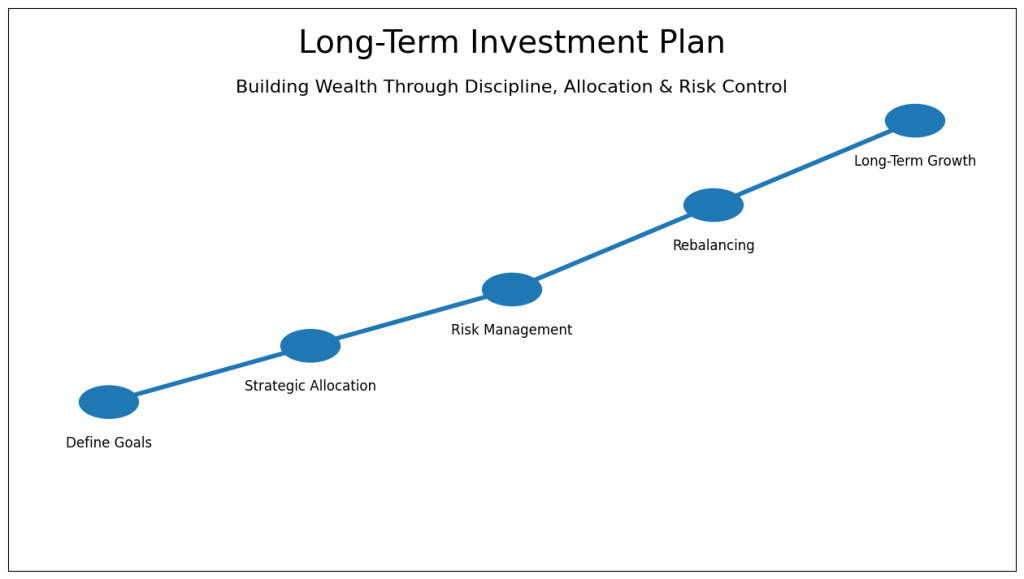
- Choose Your Focus: Total return (growth + dividends) or higher current yield (income now).
- Select a Broker: Fidelity, Vanguard, Schwab (fractional shares, $0 fees—see brokerage guide).
- Pick 1–3 Holdings: Start simple—e.g., 50% VTI + 50% SCHD.
- Invest Regularly: Lump sum or DCA (from earlier guide); reinvest dividends automatically.
- Monitor Lightly: Check quarterly; rebalance annually.
- Scale Up: Add monthly savings to accelerate growth.
Example Starter Portfolio ($1,000):
- $500 SCHD (dividend focus)
- $300 VTI (broad growth)
- $200 BND (stability)
Risks and Considerations for Passive Income
- Market downturns reduce values and dividends (but quality payers often maintain/grow payouts).
- Inflation can erode fixed income (favor growing dividends).
- Taxes: Dividends taxed as ordinary income or qualified (lower rate); use tax-advantaged accounts if possible (IRA, etc.).
- Not truly “passive” if you panic-sell—discipline is key.
FAQs: Passive Income for Beginners
Can I live off passive income quickly? No—most build it over 10–30+ years.
What’s the easiest first step? Buy a dividend ETF like SCHD or VYM and set dividend reinvestment.
Do I need a lot of money? No—start with $100; consistency matters more.
Is passive income better than active trading? For most beginners, yes—lower stress, better long-term odds.
Conclusion: Start Small, Let It Grow
Passive income isn’t a get-rich-quick scheme—it’s a get-rich-slowly-and-surely strategy. In 2026, the tools are better than ever: low-cost ETFs, automatic reinvestment, and zero-fee platforms make it accessible to anyone.
Pick one simple method (e.g., a dividend ETF), invest what you can today, add regularly, and reinvest. Over time, those small streams become rivers. Your future self will thank you for starting now.