
Decision Fatigue in Trading
Many traders believe their biggest challenges are strategy, technical analysis, or market knowledge. However, one of the most overlooked threats to trading performance is something far more subtle: decision fatigue.
Decision fatigue occurs when the quality of decisions deteriorates after a long session of mental effort. The human brain has limited cognitive resources, and every decision we make consumes a portion of that mental energy.
For traders who analyze charts, monitor news, manage risk, and execute trades throughout the day, this mental load can become overwhelming.
As mental energy declines, decision-making becomes less disciplined and more emotional. This often leads to poor trading choices that would never occur at the beginning of a trading session.
What Is Decision Fatigue?
Decision fatigue is a psychological phenomenon where the brain becomes less capable of making high-quality decisions after extended periods of cognitive activity.
When mental energy is depleted, people tend to:
- make impulsive decisions
- avoid complex analysis
- take unnecessary risks
- rely on emotional reactions
- break previously established rules
In trading, this mental exhaustion can significantly affect performance.
Why Decision Fatigue Is Dangerous for Traders
Markets Require Continuous Attention
Active traders constantly process large amounts of information:
- price movements
- technical indicators
- economic news
- risk exposure
- trade management decisions
This continuous stream of information drains cognitive resources throughout the day.
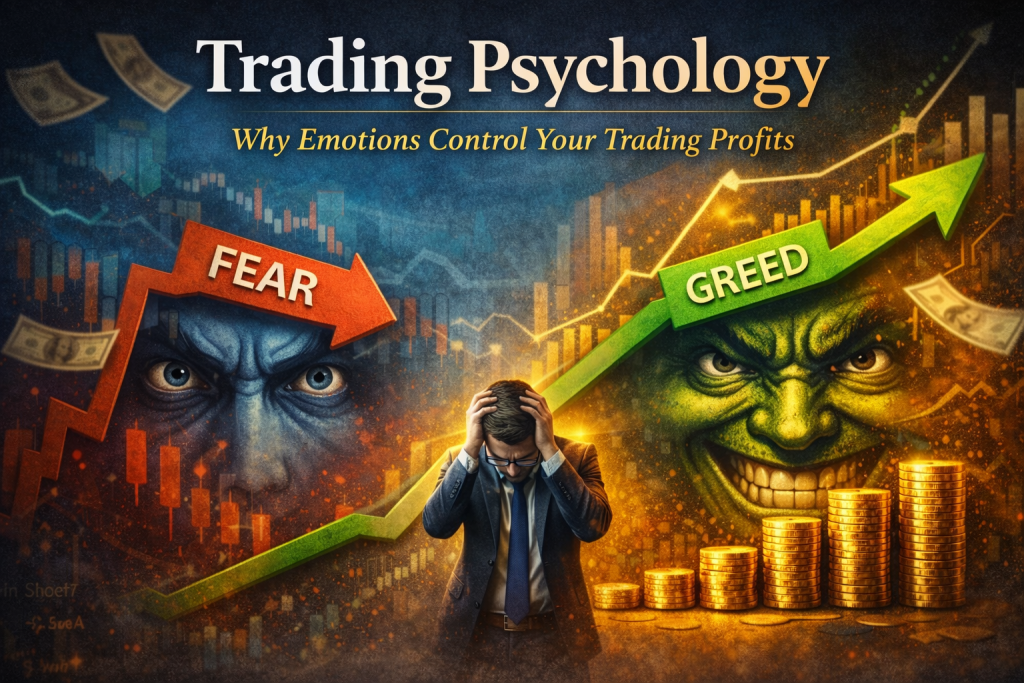
Fatigue Leads to Emotional Trading
As mental energy declines, traders become more vulnerable to emotional biases such as:
- revenge trading
- overconfidence
- impulsive entries
- fear-based exits
If you haven’t explored this behavior yet, you may find this article useful:
Revenge Trading: Why Traders Destroy Their Accounts After a Loss
Discipline Breaks Down
Even traders with strong strategies may struggle to follow their rules when mentally exhausted.
Instead of following their trading plan, they begin improvising.
Common Signs of Decision Fatigue in Trading
Many traders fail to recognize when decision fatigue begins affecting their performance.
Common warning signs include:
- taking trades outside the trading plan
- increasing position size impulsively
- entering trades with little analysis
- moving stop losses emotionally
- continuing to trade after multiple losses
These behaviors often appear late in a trading session.
The Science Behind Mental Energy
The brain consumes a significant amount of energy when making complex decisions.
Research in behavioral psychology shows that mental fatigue reduces the brain’s ability to evaluate risk and reward effectively.
This explains why traders often make their worst decisions late in the trading day.
How Professional Traders Manage Decision Fatigue
Professional traders understand that mental performance is just as important as market knowledge.
Instead of trading continuously throughout the day, they structure their trading sessions carefully.
Common strategies include:
- focusing on specific trading sessions
- limiting the number of trades per day
- taking scheduled breaks
- stopping after reaching a daily loss limit
This structured approach protects mental clarity.
The Importance of a Trading Plan
A well-defined trading plan reduces the number of decisions traders must make during live market conditions.
This preserves mental energy and improves consistency.
If you haven’t already built a structured system, this guide may help:
Trading Discipline: Why Most Traders Fail Without a Structured Plan
Practical Ways to Reduce Decision Fatigue
Limit Your Trading Hours
Many successful traders focus only on the most active market sessions rather than trading all day.
Use Predefined Rules
Clear entry and exit rules eliminate the need for constant decision-making.
Take Scheduled Breaks
Short breaks allow the brain to recover and maintain focus.
Stop Trading After a Loss Limit
Many professionals stop trading after reaching a predefined daily loss limit.
Track Your Mental State
Recording emotional and mental states in a trading journal helps identify patterns of fatigue.
Related Articles
- Overconfidence Bias in Trading: Why Too Much Confidence Destroys Profits
- Revenge Trading: Why Traders Destroy Their Accounts After a Loss
- The Sunk Cost Fallacy in Trading: Why Traders Hold Losing Positions Too Long
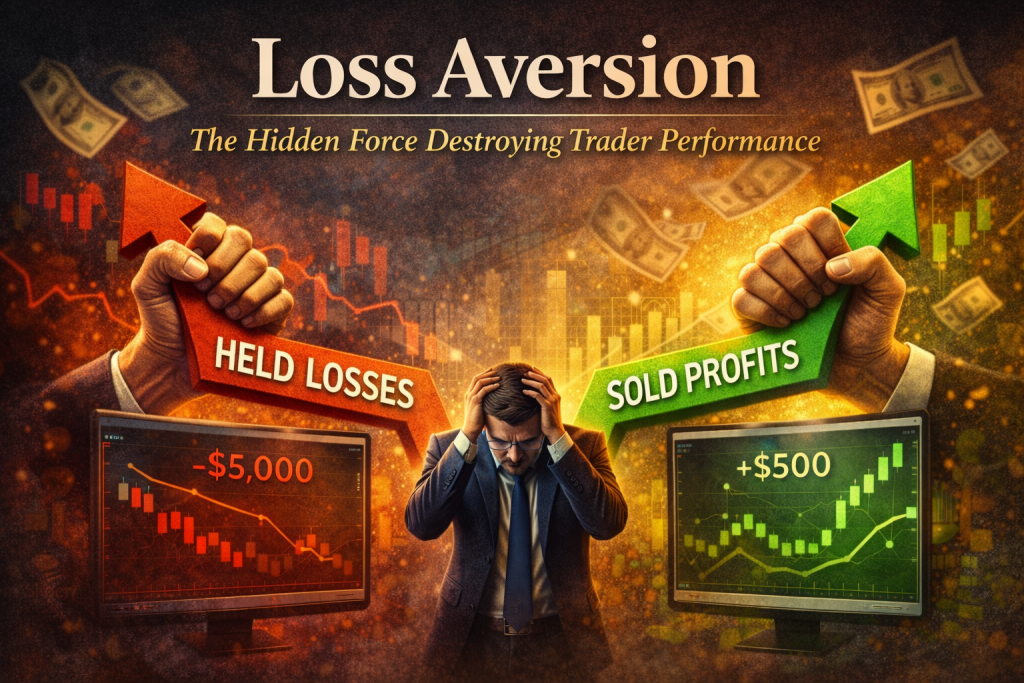
- Loss Aversion in Trading: Why the Fear of Losing Destroys Trader Performance
Frequently Asked Questions
What is decision fatigue in trading?
Decision fatigue occurs when traders become mentally exhausted after making many decisions, leading to poorer judgment and emotional trading.
Why does decision fatigue affect traders?
Trading requires constant analysis and decision-making, which drains mental energy over time.
How can traders prevent decision fatigue?
Limiting trading hours, following structured rules, and taking breaks can help reduce mental exhaustion.
Do professional traders experience decision fatigue?
Yes, but experienced traders manage their schedules and risk limits to protect their mental performance.
Pingback: Trading Execution Discipline: How To Follow Your Plan Under Pressure — The Capital Process