
Why Traders Break Their Own Rules
Many traders spend months developing trading strategies, learning technical analysis, and building detailed trading plans. Yet when real money is on the line, something surprising happens: they begin breaking their own rules.
This is one of the most common and destructive problems in trading psychology.
Traders may know exactly where their stop loss should be, when they should exit a trade, or how much risk they should take. But when emotions take control, discipline disappears.
Understanding why traders break their rules is the first step toward building the consistency required for long-term profitability.
The Difference Between Knowledge and Discipline
One of the biggest misconceptions in trading is that success comes primarily from knowledge.
While strategy and analysis are important, the real challenge lies in executing the strategy consistently.
Many traders know the correct action but fail to follow through because emotions interfere with decision-making.
This gap between knowledge and execution is where most trading mistakes occur.
Emotions That Cause Traders to Break Their Rules
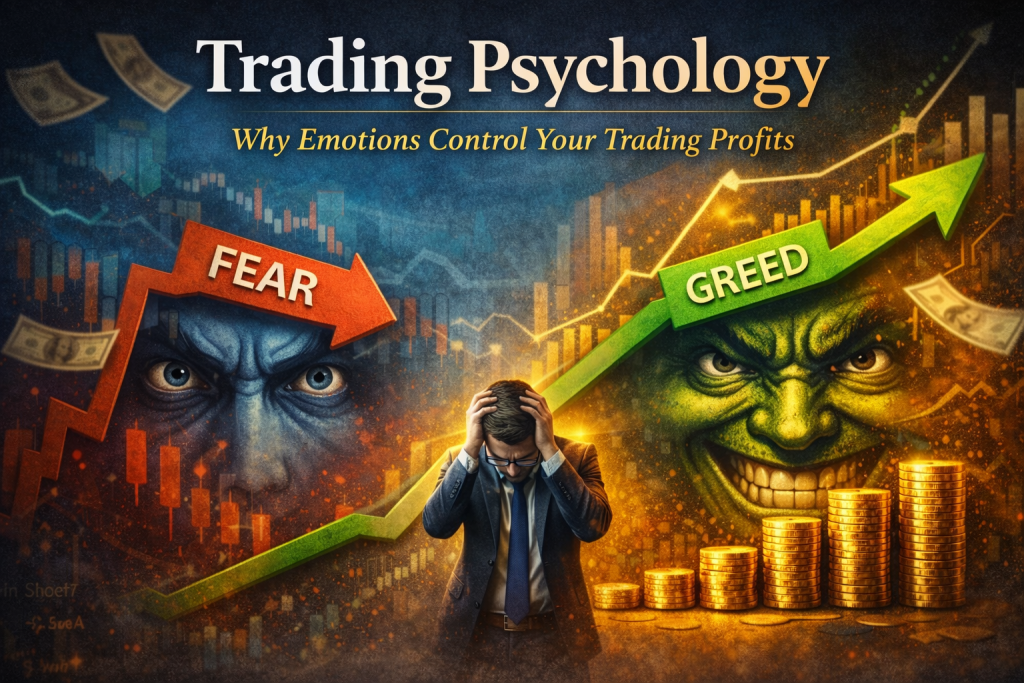
Fear
Fear is one of the most powerful emotions in trading.
It can cause traders to exit winning trades too early or avoid taking valid setups.
Fear also encourages traders to move stop losses to avoid realizing losses.
Greed
Greed pushes traders to hold winning trades longer than their strategy recommends.
Instead of following their exit plan, they hope for larger profits, which can lead to giving back gains.
Frustration After Losses
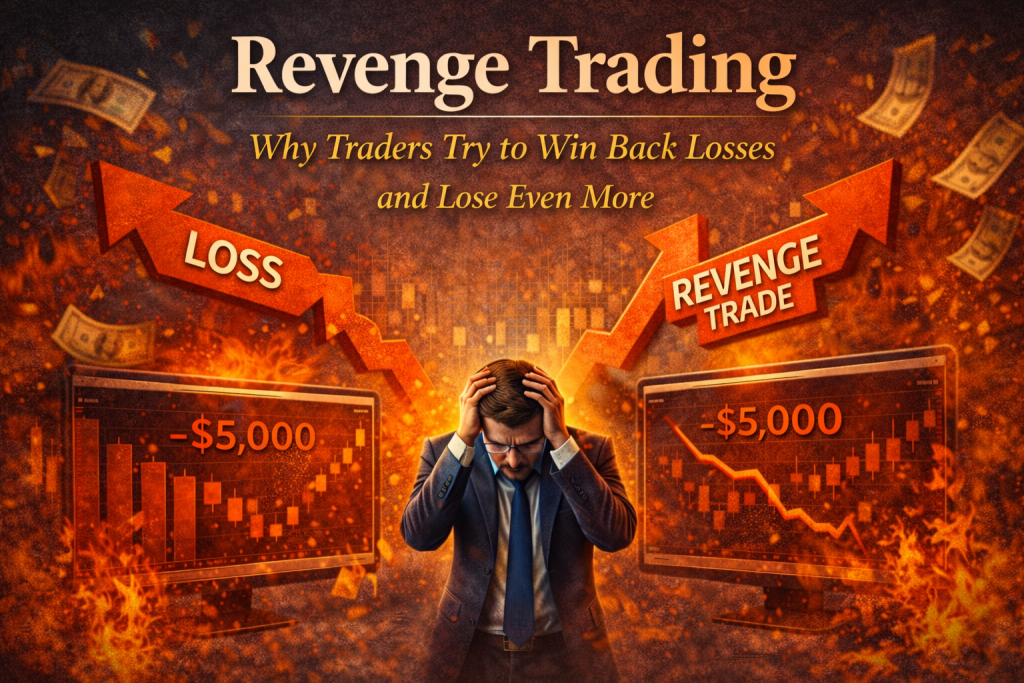
After experiencing several losing trades, traders may feel frustrated and attempt to recover losses quickly.
This often leads to behaviors such as:
- revenge trading
- increasing position sizes
- taking low-quality setups
For a deeper explanation of this behavior, see:
Revenge Trading: Why Traders Destroy Their Accounts After a Loss
The Role of Cognitive Biases
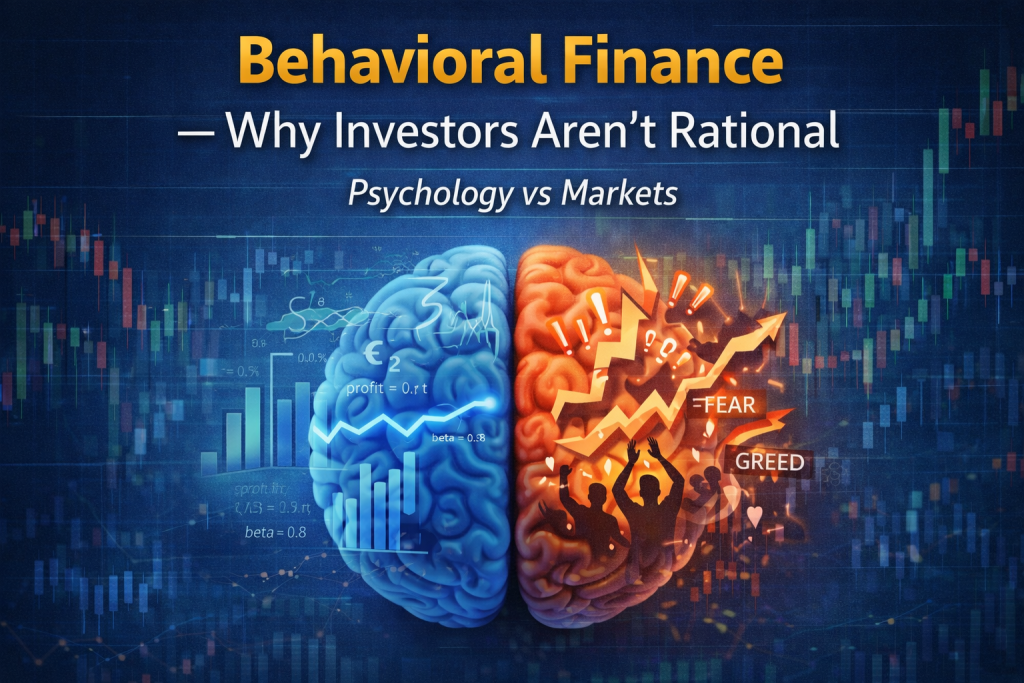
Human psychology contains several built-in biases that interfere with rational decision-making.
These biases include:
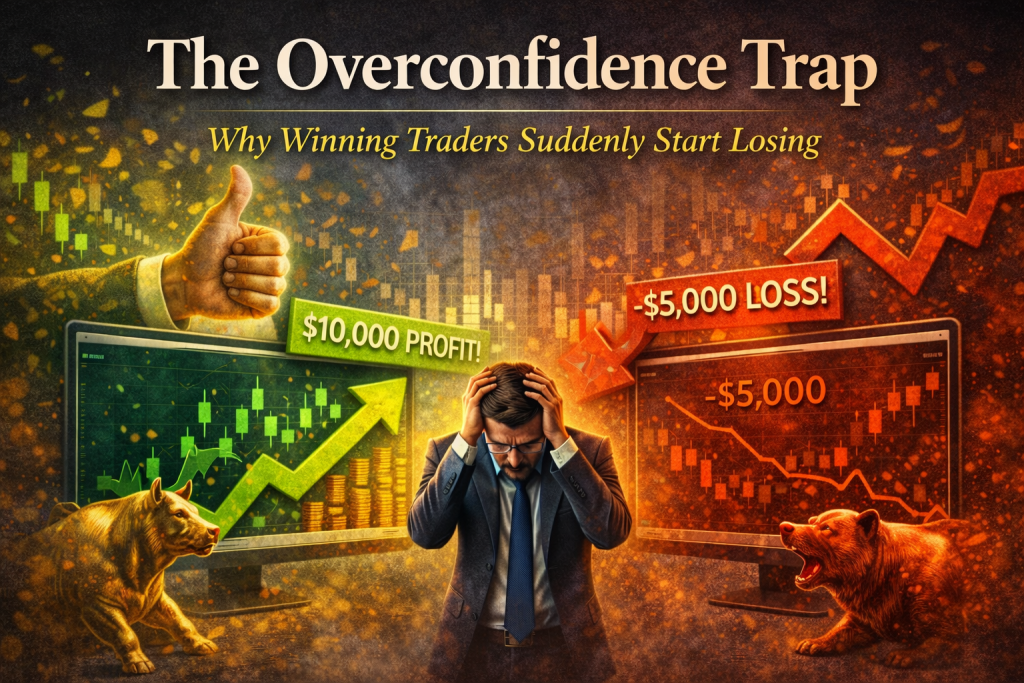
- overconfidence
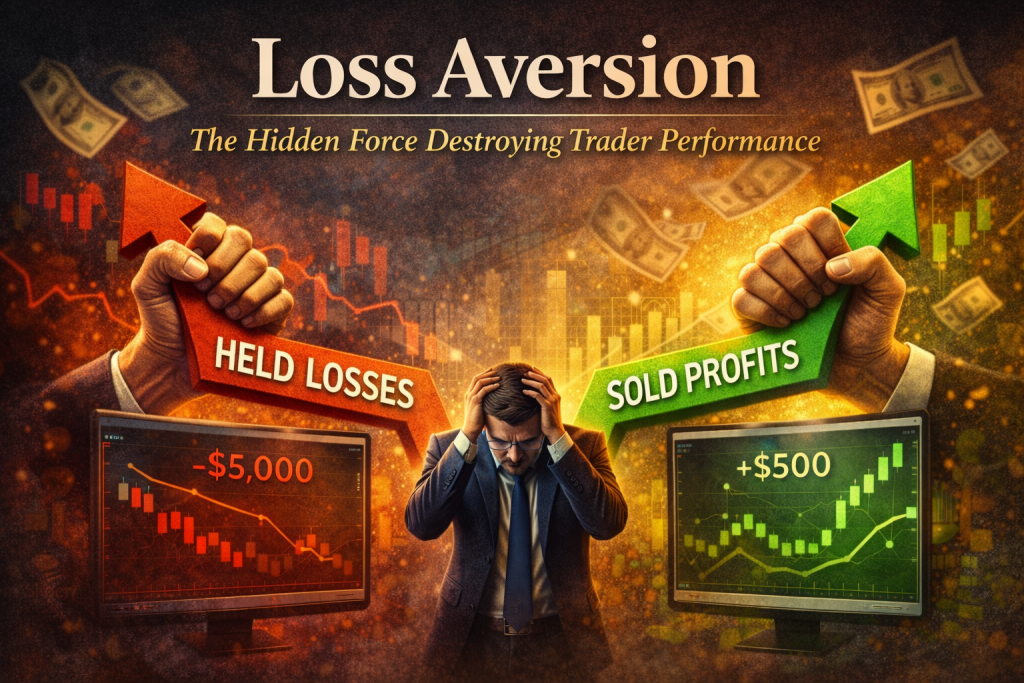
- loss aversion
- sunk cost fallacy
Each of these biases can push traders to abandon their trading plans.
For example, the sunk cost fallacy may cause traders to hold losing positions longer than planned.
You can learn more here:
The Sunk Cost Fallacy in Trading: Why Traders Hold Losing Positions Too Long
Why Discipline Is Hard in Trading
Unlike many professions, trading involves constant uncertainty.
Even the best strategies produce losing trades.
This uncertainty creates emotional pressure that makes discipline difficult.
Traders must repeatedly execute their strategy without knowing whether the next trade will win or lose.
How Professional Traders Maintain Discipline
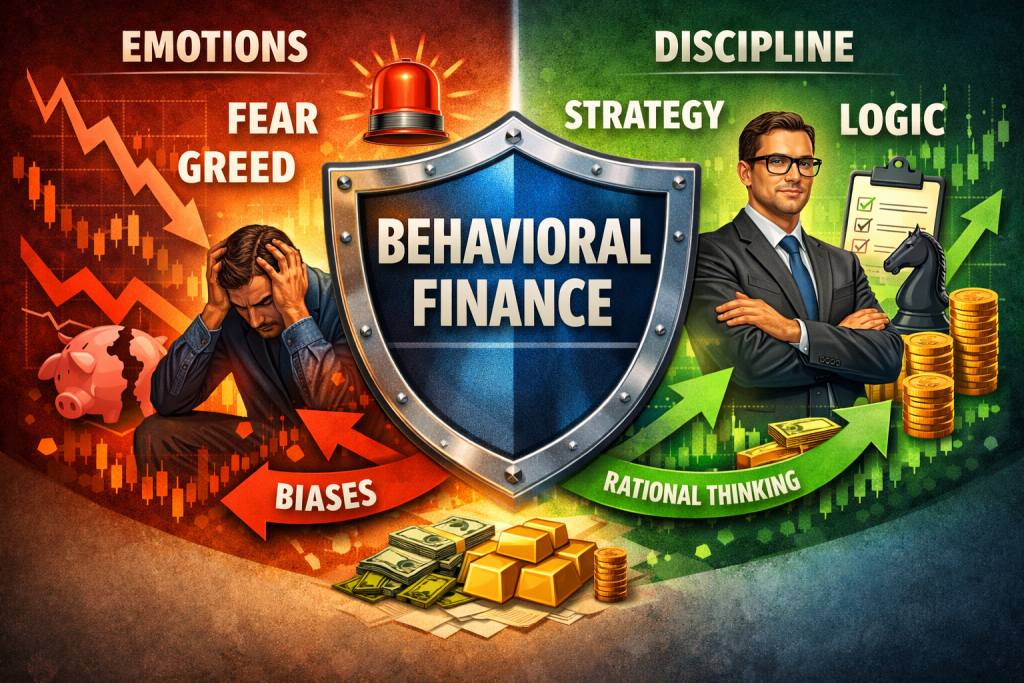
Professional traders rely on systems rather than emotions.
Instead of making decisions impulsively, they follow structured processes.
These processes typically include:
- a written trading plan
- strict risk management rules
- predefined entry and exit criteria
- daily loss limits
- performance tracking
This structure reduces emotional decision-making.
Practical Strategies to Stop Breaking Your Rules
Create a Detailed Trading Plan
A trading plan should clearly define:
- entry conditions
- exit rules
- maximum risk per trade
- maximum daily losses
Having clear rules removes ambiguity during live trading.
Use Automation Where Possible
Stop-loss orders and automated risk controls can prevent emotional decisions.
Keep a Trading Journal
Tracking every trade—including the emotional state during the trade—helps traders identify patterns of rule-breaking.
Reduce Decision Fatigue
Many traders break rules simply because they become mentally exhausted after hours of decision-making.
This phenomenon is explained in detail here:
Decision Fatigue in Trading: Why Traders Make Worse Decisions Over Time
Focus on Process, Not Individual Trades
Successful traders judge their performance based on how well they follow their strategy rather than the outcome of individual trades.
This mindset reinforces discipline over time.
Related Articles
Decision Fatigue in Trading: Why Traders Make Worse Decisions Over Time
Overconfidence Bias in Trading: Why Too Much Confidence Destroys Profits
Loss Aversion in Trading: Why the Fear of Losing Destroys Trader Performance
The Sunk Cost Fallacy in Trading: Why Traders Hold Losing Positions Too Long
Frequently Asked Questions
Why do traders break their own rules?
Traders often break their rules due to emotional pressures such as fear, greed, frustration, or cognitive biases that affect decision-making.
How can traders improve discipline?
Using a detailed trading plan, maintaining a trading journal, and focusing on long-term performance can improve discipline.
Do professional traders struggle with discipline?
Even experienced traders experience emotional pressure, but they rely on structured systems and risk management rules to stay consistent.
Is discipline more important than strategy in trading?
Many experts believe discipline and risk management are more important than strategy because even strong strategies fail without consistent execution.
Pingback: Trading Confidence Vs Overconfidence: The Fine Line Between Discipline And Destruction — The Capital Process
Pingback: Trading Execution Discipline: How To Follow Your Plan Under Pressure — The Capital Process