Revenge Trading: Why Traders Destroy Their Accounts After a Loss
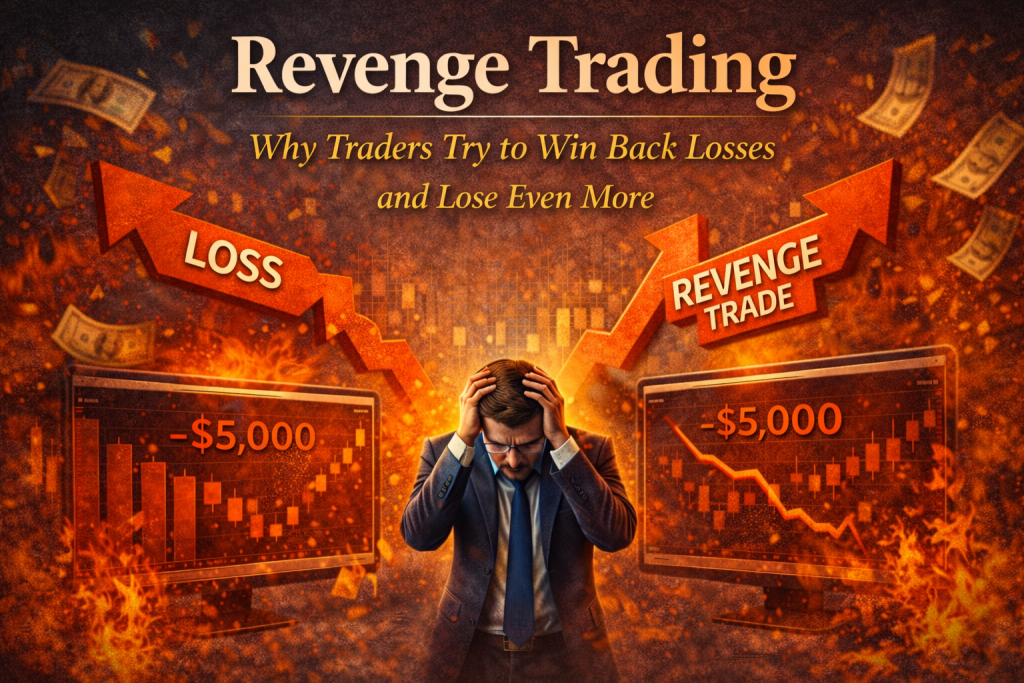
One of the fastest ways traders destroy their trading accounts is through a behavior known as revenge trading. It is an emotional reaction that occurs after a loss, where traders immediately attempt to recover their money by placing new trades without proper analysis or discipline.
This behavior is extremely common among both beginners and experienced traders. A single losing trade triggers frustration, anger, or embarrassment, and instead of stepping away, the trader tries to “win the money back.”
Unfortunately, the market does not reward emotional decision-making. In most cases, revenge trading leads to a chain reaction of impulsive trades that quickly escalate losses.
Understanding how revenge trading works—and learning how to avoid it—can dramatically improve a trader’s long-term success.
What Is Revenge Trading?
Revenge trading occurs when a trader places new trades primarily to recover losses rather than to follow a well-defined trading strategy.
Instead of focusing on probabilities, the trader becomes emotionally focused on the previous loss.
This often leads to behaviors such as:
- Entering trades impulsively
- Increasing position size to recover losses faster
- Ignoring trading signals or analysis
- Overtrading multiple setups
- Breaking risk management rules
These behaviors transform trading from a structured process into a dangerous emotional reaction.
Why Revenge Trading Happens
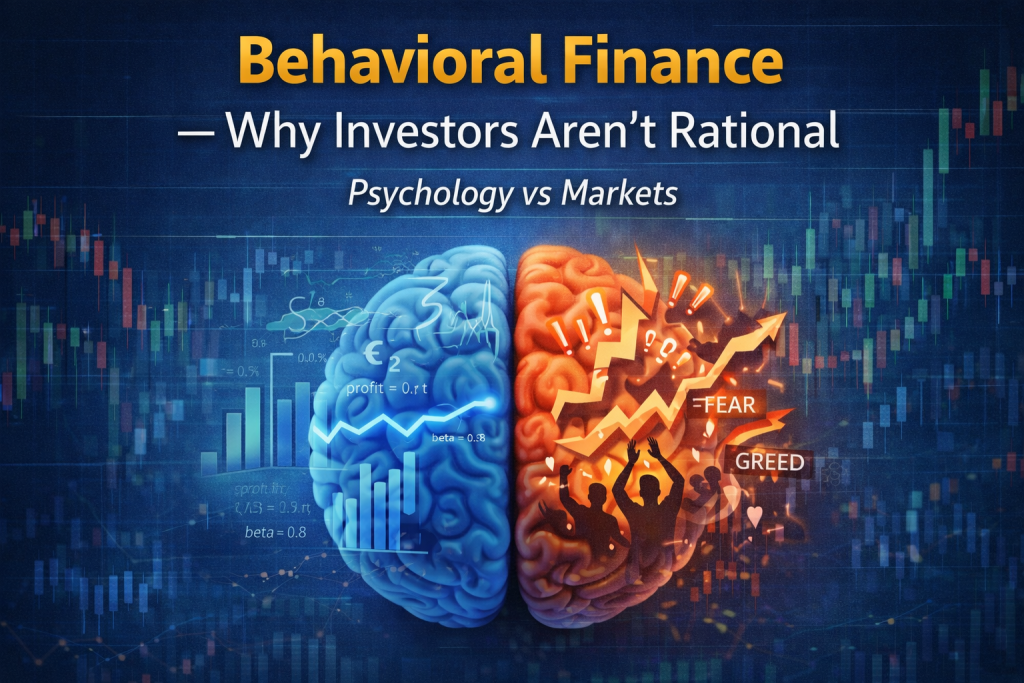
Several powerful psychological forces drive revenge trading.
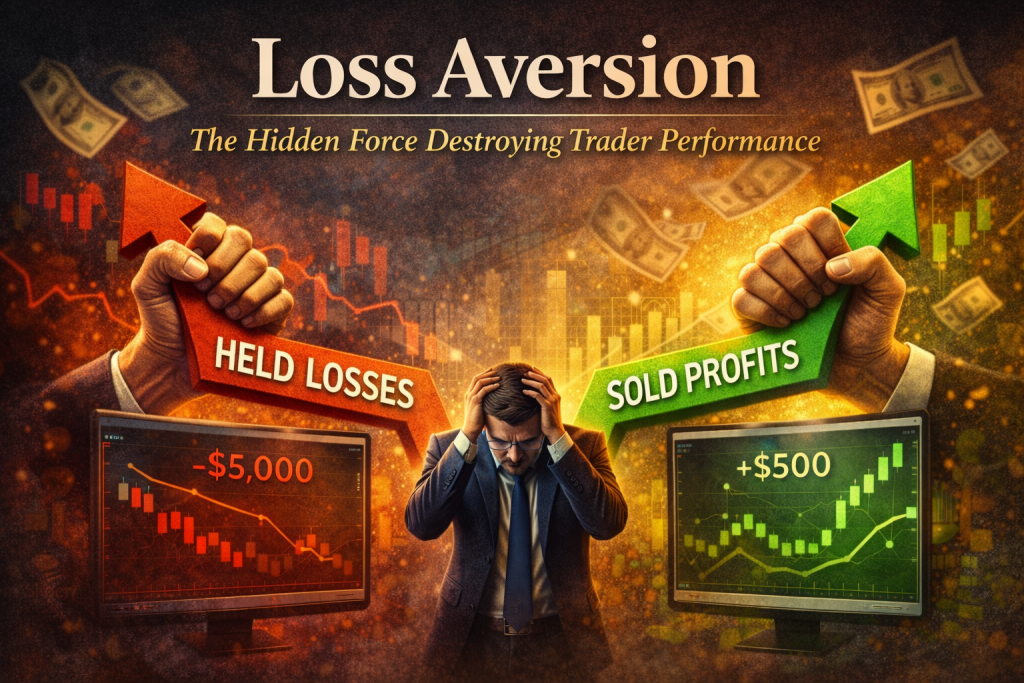
Loss Aversion
Humans experience the pain of losses more intensely than the pleasure of gains. Because of this, traders feel a strong urge to recover losses quickly.
You can explore this concept further in:
Loss Aversion in Trading: Why the Fear of Losing Destroys Trader Performance
Ego and Personal Identity
Many traders attach their self-worth to their trading performance. When a trade fails, it can feel like a personal failure.
Revenge trading becomes an attempt to restore confidence and prove that the trader was “right.”
Adrenaline and Emotional Stress
Losing trades trigger stress responses in the brain. These emotional reactions reduce rational decision-making and increase impulsive behavior.
The Desire for Immediate Recovery
Instead of accepting a loss and moving on, traders attempt to recover the loss immediately.
This urgency often leads to poor trade selection and excessive risk-taking.
The Typical Revenge Trading Cycle
Revenge trading often follows a predictable pattern:
- A trader takes a loss.
- Emotions begin to rise (frustration, anger, embarrassment).
- The trader enters a new trade impulsively.
- The new trade is poorly planned.
- The loss becomes larger.
- The trader becomes even more emotional.
- Additional impulsive trades are taken.
This cycle can destroy a trading account within a single trading session.
Signs That You Are Revenge Trading
Many traders fall into revenge trading without realizing it. Some warning signs include:
- Entering trades immediately after a loss
- Increasing position sizes after losing trades
- Taking trades that were not part of the original trading plan
- Feeling angry or frustrated while trading
- Trying to “get back to breakeven” as quickly as possible
Recognizing these signals early can help traders stop the behavior before it becomes destructive.
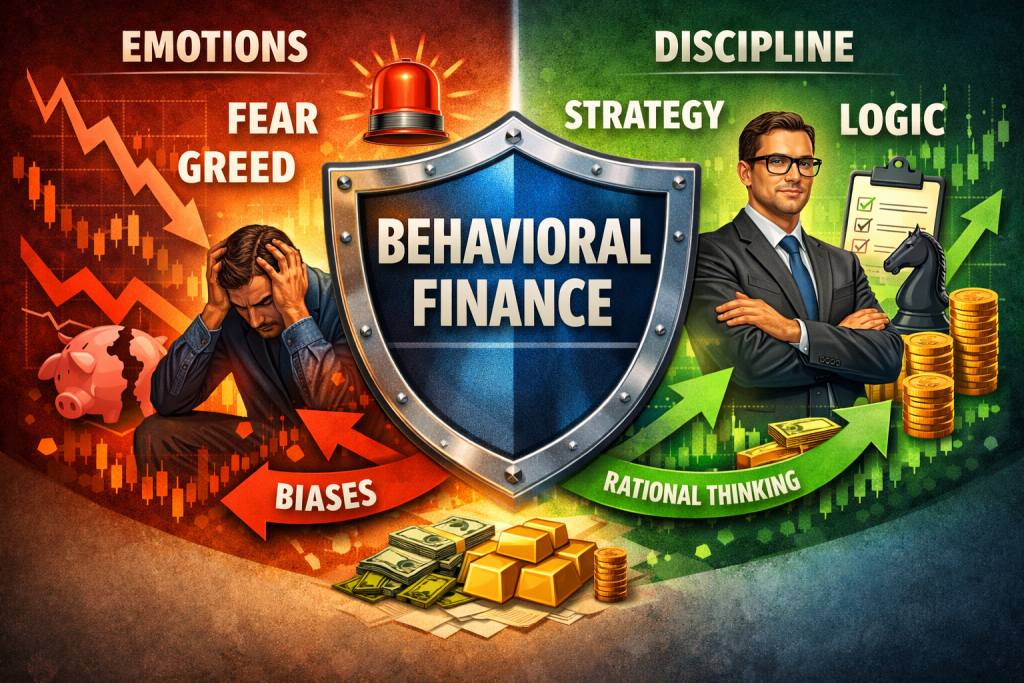
The Role of Discipline in Preventing Revenge Trading
The most effective defense against revenge trading is discipline.
Traders who follow structured systems are far less likely to make emotional decisions.
If you haven’t already explored this topic, you may find this article helpful:
Trading Discipline: Why Most Traders Fail Without a Structured Plan
Discipline ensures that trading decisions are based on strategy rather than emotion.
How Professional Traders Avoid Revenge Trading
Professional traders treat losses as a normal part of trading.
Instead of reacting emotionally, they focus on:
- Risk management
- consistent position sizing
- long-term probabilities
- strict trading rules
They understand that no single trade determines their long-term performance.
Practical Strategies to Prevent Revenge Trading
Step Away After a Loss
One of the most effective techniques is to step away from the market after a losing trade.
Taking a break allows emotions to settle before making another decision.
Use Fixed Risk Limits
Many professional traders set daily loss limits. Once the limit is reached, they stop trading for the day.
This prevents emotional escalation.
Follow a Trading Plan
A written trading plan acts as a rulebook that prevents impulsive decision-making.
Keep a Trading Journal
Tracking emotional reactions in a trading journal helps identify patterns of revenge trading.
Focus on Long-Term Performance
Successful traders evaluate performance across hundreds of trades rather than focusing on individual outcomes.
Related Articles
Loss Aversion in Trading: Why the Fear of Losing Destroys Trader Performance
The Sunk Cost Fallacy in Trading: Why Traders Hold Losing Positions Too Long
Trading Discipline: Why Most Traders Fail Without a Structured Plan
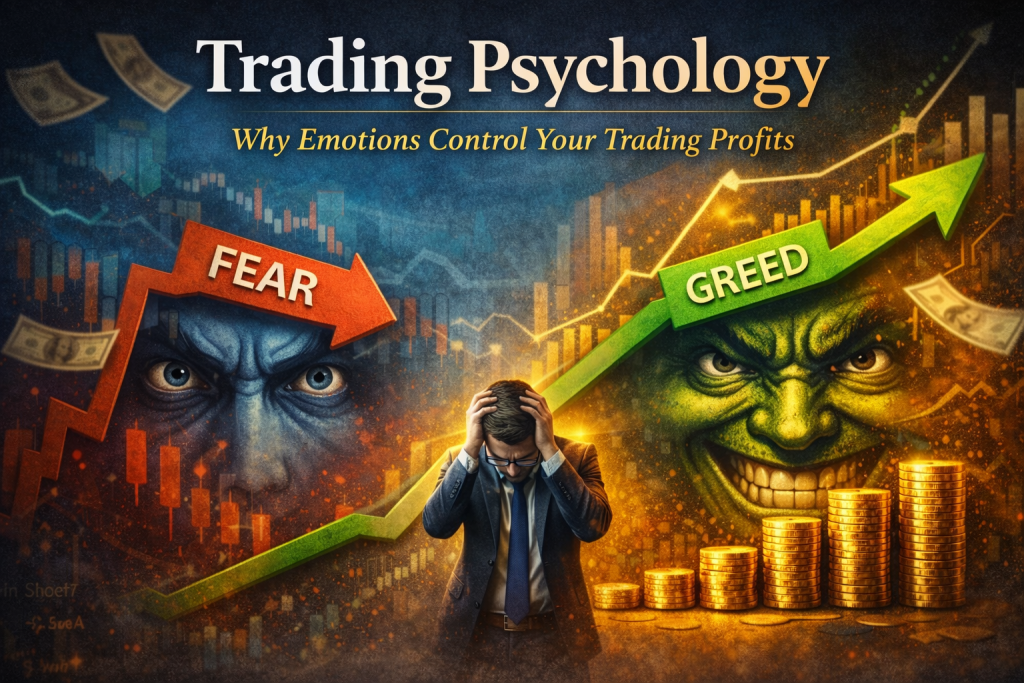
The Psychology of Trading: Why Emotions Control Market Decisions
Frequently Asked Questions
What is revenge trading?
Revenge trading occurs when traders take impulsive trades after a loss in an attempt to recover money quickly.
Why do traders revenge trade?
Revenge trading is usually driven by emotional reactions such as frustration, anger, and the desire to recover losses immediately.
How can traders stop revenge trading?
Using strict risk management rules, taking breaks after losses, and following a structured trading plan can help prevent revenge trading.
Do professional traders experience revenge trading?
Even experienced traders can feel emotional pressure, but professionals use discipline and risk controls to prevent emotional decisions.