Diversification Strategies for Beginners: Building a Resilient Portfolio to Reduce Risk in 2026
In March 2026, emerging markets offer strong opportunities amid resilience. The IMF’s January 2026 World Economic Outlook Update projects Sub-Saharan Africa growth at 4.6% for 2026, supported by macroeconomic stabilization and reforms. The African Development Bank forecasts continental growth at 4.3% in 2026, with inflation easing to 10.3% average. Yet volatility persists: Nigeria’s inflation at 15.06% (Feb NBS), Kenya ~4.3% (Feb KNBS), Ghana 3.3% (Feb GSS), South Africa 3% (Feb Stats SA). Diversification remains the cornerstone of risk management — spreading investments to avoid over-reliance on any single asset, sector, or geography.
This in-depth guide equips beginners in Nigeria, Kenya, South Africa, Ghana, and parallels in India/Indonesia with authoritative strategies. Master why diversification outperforms concentration in 2026, core principles, types (asset class, sector, geographic), practical tools on regulated platforms, step-by-step portfolio building with checklists, real 2025-2026 success/failure stories, three sample diversified portfolios with projections, common mistakes, tax/regulatory notes, mindset tips, and more. Backed by IMF, AfDB, CBN, SEC data, you’ll build resilient portfolios that weather volatility while compounding wealth.
Why Diversification Is Essential in 2026’s Volatile Landscape
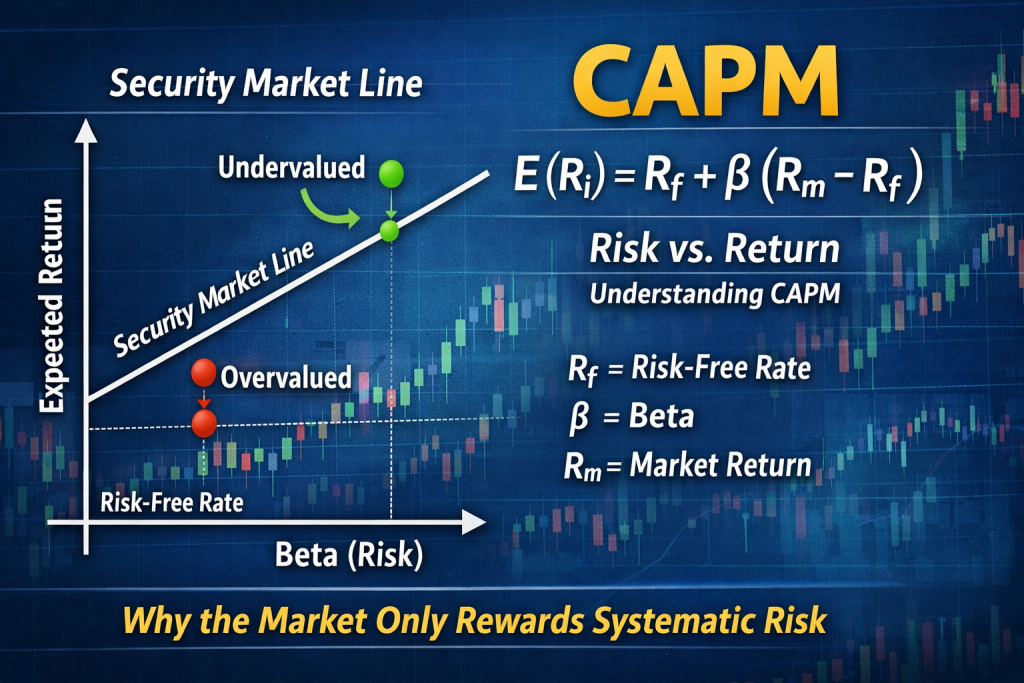
Diversification reduces unsystematic risk — the danger from individual assets failing. Modern portfolio theory (Markowitz) shows diversified portfolios achieve better risk-adjusted returns. In 2026, EMs face commodity swings, policy shifts, geopolitical tensions, yet IMF/AfDB project solid growth (4.6% SSA, 4.3% Africa). Concentrated portfolios (e.g., all Nigerian oil stocks) suffered in 2025 oil dips; diversified ones captured rallies in services/tech while hedging currency/inflation.
Real impact: A beginner with 100% local equities lost 15-20% in naira terms during 2025 volatility; diversified (40% equities, 30% bonds, 20% international, 10% commodities) limited drawdown to ~5-8% while averaging 12% annual returns. AfDB data indicates diversified EM portfolios deliver 1.5-2.8x better Sharpe ratios over 5-10 years. In high-inflation Nigeria (15.06%) or stable Ghana (3.3%), diversification preserves capital and captures upside.
Core Principles of Effective Diversification
- Don’t Put All Eggs in One Basket: Spread across uncorrelated assets — when one falls, others may rise.
- Balance Risk & Return: Higher diversification lowers volatility but caps extreme upside; aim optimal mix.
- Correlations Matter: Choose low/negative correlation assets (e.g., stocks vs. bonds, local vs. USD).
- Rebalance Regularly: Markets drift; quarterly rebalancing maintains target allocation.
- Start Simple, Scale Smart: Beginners begin with 4-6 asset classes via funds/ETFs; add complexity over time.
These principles, endorsed by SEC Nigeria/CMA Kenya guidelines, form the foundation for resilient EM investing.
Types of Diversification Every Beginner Should Use
1. Asset Class Diversification
Spread across equities, fixed income, commodities, real estate, cash. Equities growth; bonds stability; commodities inflation hedge; real estate income/tangibility.
2. Sector Diversification
Avoid over-weighting one industry. Nigeria: balance oil/banks with consumer goods/tech. Kenya: services/telecom + agriculture. Reduces sector-specific shocks (e.g., 2025 oil slump).
3. Geographic Diversification
Include local + international (US/Europe via Risevest/Bamboo, India/Indonesia ETFs). Shields against country risk (e.g., policy changes in Nigeria/SA).
4. Currency Diversification
20-40% USD assets hedges depreciation (naira/cedi weakness). Gold/commodities add natural buffer.
5. Size/Style Diversification
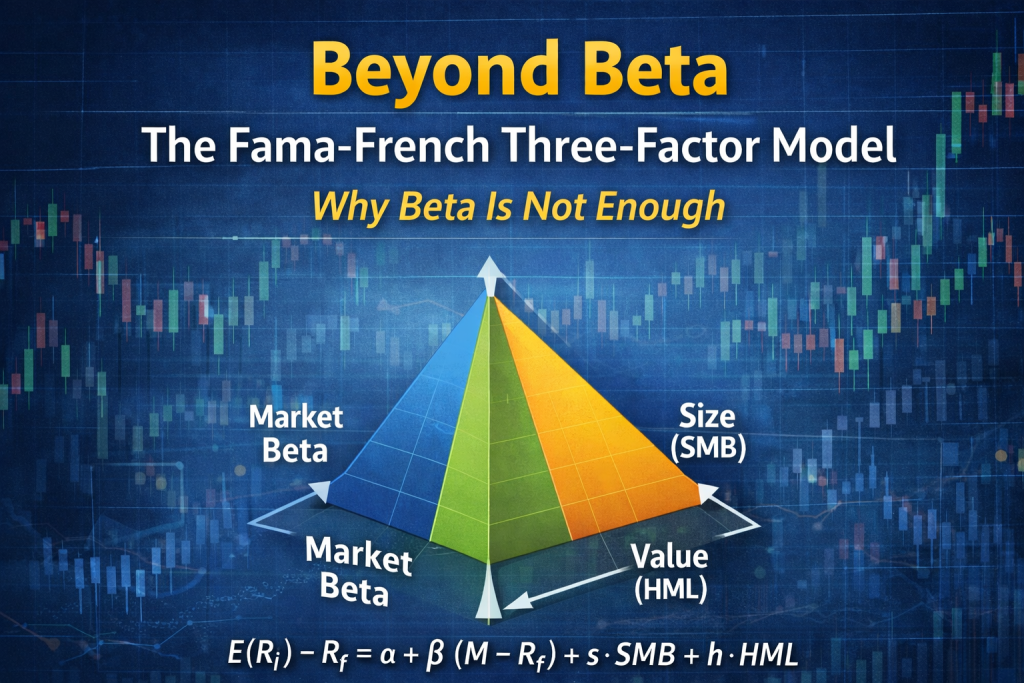
Mix large-cap stability + small/mid-cap growth; value + growth styles.
2026 examples: Geographic mix offset rand weakness in SA; asset class balance cushioned inflation in Nigeria.
Practical Tools & Implementation Strategies
ETFs & Mutual Funds: Low-cost access — NGX ETFs (Nigeria), JSE trackers (SA), NSE/K NSE funds (Kenya), GSE (Ghana).
Robo-Advisors/Platforms: Risevest, Bamboo, PiggyVest offer pre-built diversified portfolios; dollar options hedge.
Manual Allocation: Use spreadsheets; target 8-15 holdings minimum.
Rebalancing Rules: Threshold (5-10% drift) or calendar (quarterly). Formula: Sell overweights, buy underweights.
Cost Considerations: Minimize fees (0.5-1% total); tax-efficient vehicles where possible.
Step-by-Step Guide to Building Your Diversified Portfolio (With Checklists)
- Define Goals & Tolerance (Week 1): Risk quiz, time horizon, objectives.
- Assess Current Holdings (Week 1): List assets, calculate current allocation.
- Choose Target Model (Week 2): Select from samples below or customize.
- Select Investments (Month 1): Regulated platforms; start small SIPs.
- Implement & Fund (Month 1-2): Allocate gradually (dollar-cost averaging).
- Set Monitoring (Ongoing): Quarterly rebalance, annual deep review.
| Task | Timeline | Done? | Notes/Platforms |
|---|---|---|---|
| Complete risk tolerance assessment | Week 1 | Free online quizzes | |
| Map current portfolio allocation | Week 1 | Spreadsheet/app | |
| Open diversified accounts (Risevest + local broker) | Month 1 | SEC/CMA regulated | |
| Set quarterly rebalance calendar | Ongoing | Alerts/reminders |
Real Beginner Success & Failure Stories 2025–2026
Failure – Nigeria (Over-Concentration): Emeka (Lagos trader) put 80% in banking stocks; 2025 sector regulation drop caused 25% loss. No international hedge amplified naira impact.
Success – Kenya (Balanced Approach): Aisha (Nairobi teacher) diversified 40% local equities, 30% bonds, 20% USD ETFs, 10% gold via app. Weathered 2025 shilling pressure; 2026 portfolio up 18% cumulative.
Ghana Success: Kumasi entrepreneur mixed local stocks + gold + international; moderate inflation + commodity strength yielded stable 15% real return.
South Africa Parallel: Johannesburg beginner’s geographic spread (JSE + global) limited rand volatility damage, compounding positively.
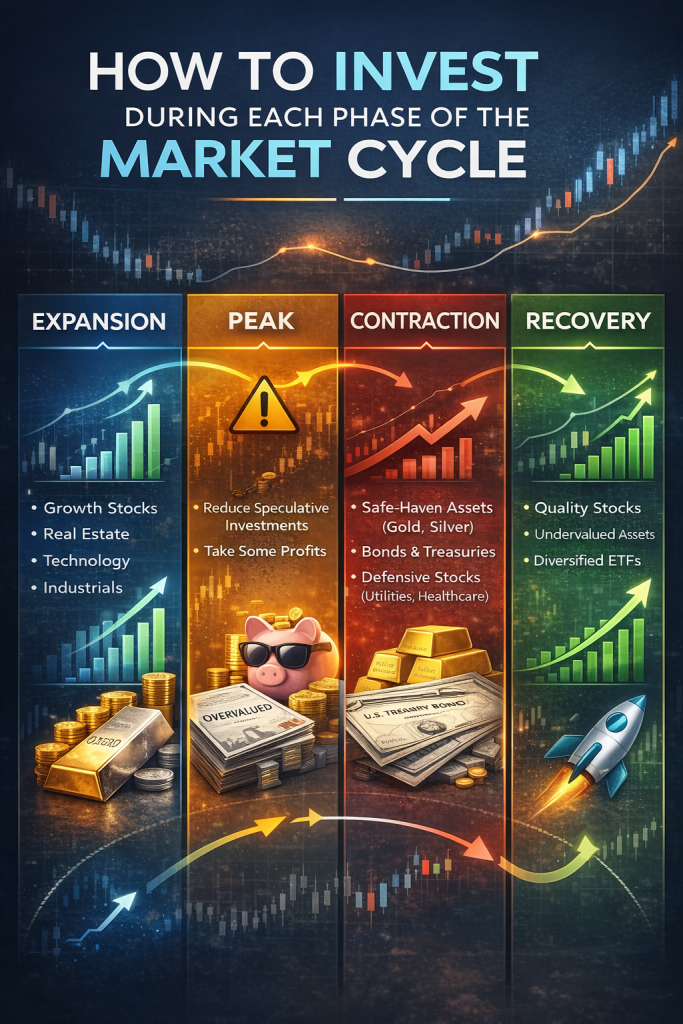
How to Build Diversified Portfolios (3 Samples with 2026 Projections)
Starting ₦1,000,000 equivalent. Assumptions: 12-15% equities avg, 8% FI, 10% commodities, IMF/AfDB growth backdrop. Compound: A = P(1 + r)^n, adjusted for volatility reduction.
| Portfolio | Allocation Breakdown | Exp. Annual Return | Volatility Est. | 5-Year Projection (₦ equiv) |
|---|---|---|---|---|
| Beginner Conservative | 40% Bonds/T-bills, 30% Local Equities, 20% USD/Intl ETFs, 10% Gold/Commodities | 9-11% | Low | ~1,550,000 |
| Balanced Diversified | 45% Equities (local+intl), 30% Fixed Income, 15% Commodities/REITs, 10% Alternatives | 12-14% | Medium | ~1,800,000 |
| Growth Diversified | 60% Equities (growth sectors + global), 20% Alternatives (gold/REITs), 15% Intl, 5% Cash | 15-18% | Higher | ~2,200,000 |
Scenario: 15% local market drop. Diversified limits loss to 6-9%; recovers faster via rebalancing.
Common Mistakes & Avoidance Tips
1. Diworsification (too many similar assets) → true spread needed.
2. Ignoring correlations → all local equities fail together.
3. No rebalancing → drift increases risk.
4. Chasing past winners → buy high/sell low.
5. Overlooking costs/taxes → erode returns.
Tax, Regulatory & Platform Notes for Africa
Nigeria: CGT progressive; ETFs/funds tax-efficient. SEC-regulated platforms mandatory.
Kenya: 15% CGT; CMA-approved funds/ETFs.
South Africa: CGT up to 18%; tax-free savings accounts ideal.
Ghana: 15% CGT; GSE/BoG compliant.
Use reinvestment for deferrals; consult advisors.
Long-Term Mindset & Psychological Strategies
Diversification is patience in action — smooths ride, avoids emotional decisions. Track allocation, not daily prices. Journal rebalances. Compound: ₦1M diversified at 12% becomes ~₦1.76M in 5 years vs. higher volatility concentrated paths. Stories prove steady wins.
FAQs
- What’s the minimum for diversification? Start with 4-6 assets via funds; ₦50k-100k sufficient.
- How many holdings ideal? 8-15 for beginners; more adds complexity without much benefit.
- Best platforms Nigeria? Risevest/Bamboo for intl, PiggyVest/local brokers for domestic.
- Rebalance how often? Quarterly or 5-10% drift.
- Diversification limit upside? Reduces extreme gains/losses; better long-term risk-adjusted.
- Geographic how much intl? 20-40% for EM beginners.
- Gold role? Inflation/currency hedge; 5-15% allocation.
- Tax on diversified gains? CGT applies; platforms often efficient.
- 2026 outlook diversification? IMF 4.6% SSA growth favors balanced spread.
- Start small capital? Yes — ETFs/SIPs fractional.
- Correlations change? Yes — review annually; rebalance adjusts.
- Next step today? Assess current portfolio, open Risevest, target balanced allocation.
Related Articles
- Risk Management for Beginners 2026
- Currency Risk & Hedging 2026
- Inflation Risk Management 2026
- Portfolio Rebalancing Guide
- Equity Investing Basics Africa
Motivational Conclusion
Diversification isn’t about avoiding risk — it’s about mastering it to thrive. In 2026’s promising yet unpredictable EM landscape (IMF 4.6% SSA, AfDB 4.3% Africa), diversified portfolios empower beginners to capture growth safely across Nigeria, Kenya, South Africa, Ghana, and beyond. Real investors are turning volatility into advantage through smart spreading. Your resilient plan today builds unbreakable, compounding wealth tomorrow.
Call-to-Action: What’s your current portfolio’s biggest concentration risk, and how will you diversify it first? Share in the comments — let’s support each other in building stronger African portfolios. Start diversifying today — resilience awaits!