Inflation Risk Management for Beginners: How to Protect Your Purchasing Power and Achieve Real Returns in 2026
As of March 2026, inflation continues to erode savings across emerging markets, even as rates moderate in some areas. Nigeria’s headline inflation eased marginally to 15.06% in February (NBS data), down from 15.10% in January, yet core pressures persist at 15.8%. Kenya maintains lower inflation around 5-7%, Ghana’s stability supports single digits post-restructuring, while South Africa’s headline fell to ~3% in February, aligning closer to SARB targets. The IMF’s January 2026 World Economic Outlook Update projects Sub-Saharan Africa growth at 4.6% for 2026, with the AfDB forecasting continental inflation averaging 10.3% in 2026 (down from 13.7% in 2025), driven by reforms, weaker USD, and easing food/fuel pressures.
This comprehensive guide equips beginners in Nigeria, Kenya, South Africa, Ghana, and parallels in India/Indonesia to understand, measure, and hedge inflation risk. Explore why inflation silently destroys wealth in 2026, core principles, practical strategies and tools, step-by-step plans with checklists, real success/failure stories from 2025-2026, sample inflation-protected portfolios with projections, common mistakes, regulatory/tax notes, mindset strategies, and more. Backed by NBS, CBN, IMF, AfDB, and platform data, you’ll learn to secure real (inflation-adjusted) returns and build lasting wealth.
Why Inflation Risk Matters More Than Ever in 2026
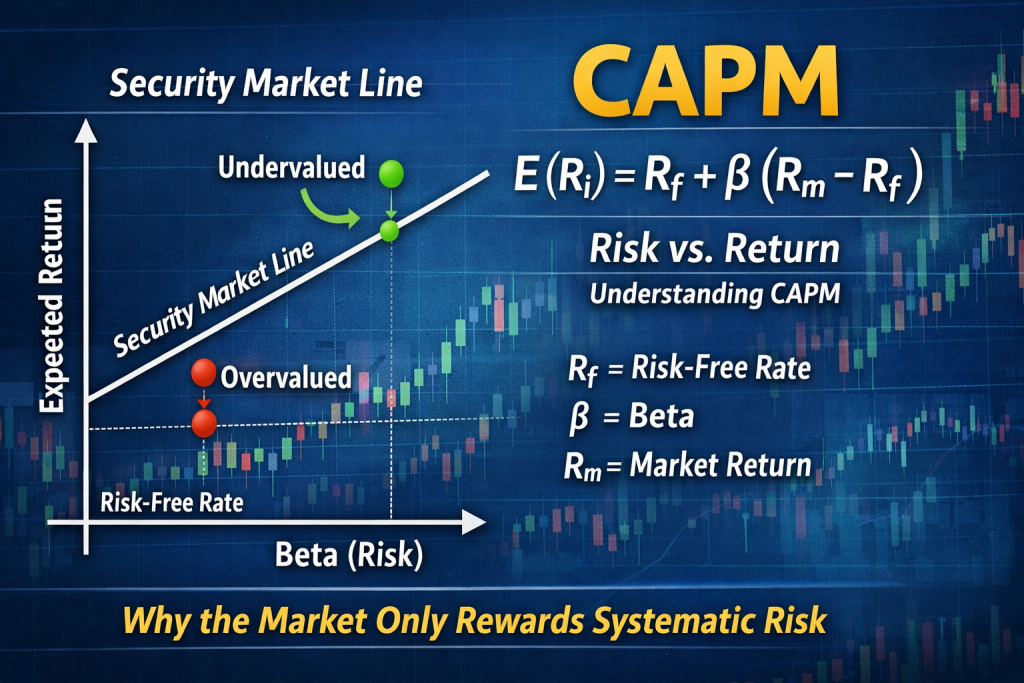
Inflation risk — the loss of purchasing power — turns nominal gains into real losses. If your investments return 10% but inflation is 15%, your real return is -5%: ₦100 today buys less tomorrow. In Nigeria, February 2026’s 15.06% headline (with food at 12.12%) means ₦1M in a 10% savings account loses ~5% real value annually. Across SSA, AfDB notes inflation projected at 10.3% in 2026, yet many beginners park funds in low-yield accounts or cash, eroding wealth silently.
2026’s environment amplifies this: persistent core inflation in Nigeria (15.8%), commodity volatility, supply chain issues, and climate shocks keep food/fuel prices elevated. IMF highlights resilient 4.6% SSA growth but warns of downside risks from global shocks. Unhedged savers in Lagos or Nairobi saw 2025 real returns turn negative despite nominal equity gains. Disciplined investors using inflation-beating assets (equities, commodities, dollar-hedged funds) achieved positive real compounding. AfDB data shows inflation-protected portfolios deliver 1.8-3x better long-term outcomes in high-inflation EMs.
Core Principles of Inflation Risk Management
- Focus on Real Returns: Always calculate nominal return minus inflation = real return. Target positive real growth.
- Beat Inflation Consistently: Seek assets historically outpacing CPI (equities ~8-12% real long-term, gold/commodities hedge spikes).
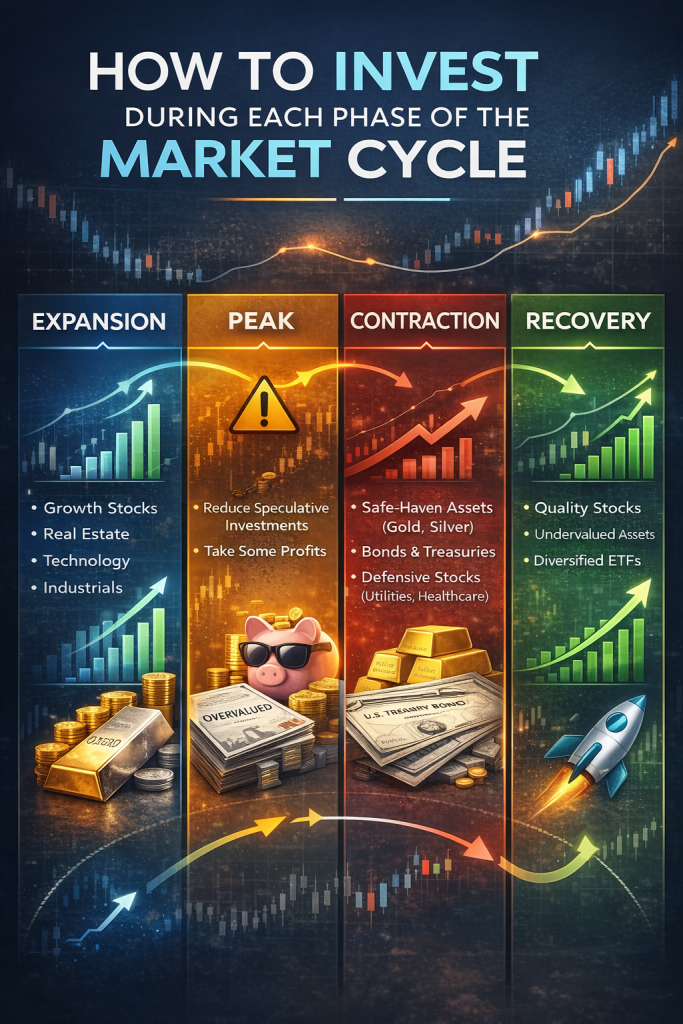
- Diversify Across Inflation Regimes: Mix growth assets, income, and hard assets to handle stagflation or disinflation.
- Time Horizon Matters: Longer horizons (10+ years) favor equities; shorter need liquidity + protection.
- Review Regularly: Adjust allocations as inflation trends change (e.g., quarterly checks vs. NBS/CBK data).
These principles, aligned with AfDB’s emphasis on macroeconomic stability, help beginners achieve sustainable real wealth growth.
How Inflation Erodes Wealth in 2026
Nigeria: At 15.06% headline (Feb NBS), ₦1M saved at 12% bank rate loses ~3% real purchasing power yearly. Food inflation 12.12% hits daily costs hardest.
Kenya: Lower ~5-7% but persistent; unhedged fixed deposits lag equities during rallies.
Ghana: Post-2025 stability keeps inflation moderate; gold exposure shines in commodity upswings.
South Africa: ~3% headline allows more equity tilt; rand strength aids imported inflation control.
Compound impact: Over 10 years at 15% inflation, ₦1M loses ~80% purchasing power without growth assets.
Practical Tools & Strategies to Hedge Inflation
1. Inflation-Beating Equities: Stocks historically outpace inflation (NSE/NGX long-term ~12-15% nominal). Focus blue-chips + growth sectors.
2. Commodities & Gold: Gold via apps or ETFs hedges spikes; commodities (oil, agriculture) correlate with CPI.
3. Dollar & Foreign Assets: USD exposure via Risevest counters local inflation + depreciation combo.
4. Real Estate/REITs: Property values/rents rise with inflation; accessible via Nigerian/Ghanaian REITs.
5. High-Yield Fixed Income: T-bills/money markets at 18-25% in Nigeria beat current 15%.
6. Asset Allocation Models: 60/40 equities/fixed with 20% hard assets for moderate inflation.
Real Return Calculation: Real return ≈ Nominal return – Inflation rate (precise: (1 + nominal)/(1 + inflation) – 1).
Step-by-Step Personal Inflation Hedging Plan
- Assess Current Exposure (Week 1): Track savings returns vs. latest CPI (NBS site for Nigeria).
- Set Real Return Goals (Week 1): Target 3-7% real annually based on horizon.
- Build Emergency Buffer (Month 1): 3-6 months in high-yield beating inflation slightly.
- Allocate to Beaters (Month 1-3): Start equities/commodities/dollar via regulated apps.
- Implement & Automate (Ongoing): Monthly SIPs, quarterly rebalance.
- Monitor Inflation Data (Quarterly): Adjust if CPI rises >2%.
| Task | Target | Done? | Notes/Platforms |
|---|---|---|---|
| Compare portfolio return vs. latest inflation | Week 1 | NBS/CBK data | |
| Allocate ≥40% to equities/commodities | Month 2 | Risevest, local brokers | |
| Set auto-invest for SIPs | Ongoing | PiggyVest/Risevest | |
| Quarterly real return review | Every 3 months | Spreadsheet |
Real Beginner Success & Failure Stories 2025–2026
Failure – Nigeria (Cash Trap): Fatima (Abuja civil servant) kept ₦2M in savings at 8-10% through 2025; 20%+ inflation early + 15% later eroded ~30% real value. Forced to sell assets low in 2026.
Success – Kenya (Equity Tilt): James (Nairobi professional) shifted 50% to local/international equities + gold via apps in 2024. Despite moderate inflation, real returns averaged 8% annually by March 2026, preserving purchasing power.
Ghana Success: Accra trader used gold + REITs; moderate inflation + commodity gains yielded 15% real cumulative.
South Africa Parallel: Cape Town beginner’s 60% equity allocation beat ~3% inflation, compounding positively.
How to Build an Inflation-Protected Portfolio (3 Samples with 2026 Projections)
Starting ₦1,000,000 (equivalents). Assumptions: Inflation 12-15% Nigeria-adjusted, nominal returns per asset class. Real compound: adjusted annually.
| Portfolio | Allocation | Nominal Exp. Return | Real Return Est. | 5-Year Real Proj. (₦ equiv) |
|---|---|---|---|---|
| Conservative Protected | 50% High-Yield FI, 30% Equities, 20% Gold/Dollar | 11% | ~ -4% to +2% | ~1,050,000 (adjusted) |
| Balanced Protected | 50% Equities (local+intl), 30% Commodities/REITs, 20% FI/Dollar | 14% | ~ +2-5% | ~1,350,000 |
| Growth Protected | 70% Equities/Global, 20% Hard Assets, 10% Cash/FI | 18% | ~ +5-8% | ~1,650,000 |
Scenario: Persistent 15% inflation. Balanced recovers real value by Year 4; unhedged cash loses ~50%.
Common Mistakes & How to Avoid Them
1. Relying on nominal returns → ignore real. → Always adjust for CPI.
2. All cash/savings → eroded by inflation. → Shift to beaters gradually.
3. Chasing high-risk only → volatility hurts. → Balanced diversification.
4. No rebalancing → drift to underperformers. → Quarterly checks.
5. Ignoring taxes on gains → reduces net real. → Use tax-efficient vehicles.
Tax, Regulatory & Platform Notes for Africa
Nigeria: CGT progressive; high-yield via CBN-regulated apps tax-advantaged in some cases.
Kenya: 15% CGT; CMA platforms offer inflation-linked options.
South Africa: CGT up to 18%; tax-free savings accounts beat inflation tax-efficiently.
Ghana: 15% CGT; gold/REITs compliant.
Consult professionals; reinvest for deferrals.
Long-Term Mindset & Psychological Strategies
Treat inflation as a steady tax — counter it systematically. Track real net worth quarterly. Celebrate real gains during dips. Compound magic: ₦1M at 5% real becomes ~₦1.63M in 10 years vs. erosion to ~₦247k at -10% real. Stories like James’s prove consistency triumphs.
FAQs
- What is real return? Nominal minus inflation; aim positive.
- How much inflation in Nigeria March 2026? 15.06% headline Feb; monitor NBS monthly.
- Best inflation hedge for beginners? Diversified equities + gold/dollar via apps.
- Can small amounts beat inflation? Yes — SIPs in ETFs/funds start low.
- Gold good for Ghana/Kenya? Yes — hedges commodity/food inflation.
- How to calculate real return? (1 + nominal)/(1 + inflation) – 1.
- Tax on inflation-beating gains? CGT applies; platforms often efficient.
- Equities always beat inflation? Long-term yes; short-term volatility — diversify.
- Latest AfDB/IMF outlook? SSA 4.6% growth, inflation easing to 10.3% 2026.
- Emergency fund inflation-protected? High-yield savings beating slightly; keep liquid.
- Rebalance frequency? Quarterly or 5-10% drift.
- Start today? Check latest CPI, open Risevest/PiggyVest, allocate to beaters.
Related Articles
- Risk Management for Beginners 2026
- Currency Risk & Hedging Strategies 2026
- Diversification for African Investors
- Emergency Funds That Beat Inflation
- Equity Investing Basics for EM Beginners
Motivational Conclusion
Inflation doesn’t have to steal your progress. With 2026’s projected 4.6% SSA growth (IMF) and easing pressures (AfDB), you now hold proven strategies to turn the tide — achieving real, compounding returns across Nigeria, Kenya, South Africa, Ghana, and beyond. Beginners everywhere are preserving and multiplying purchasing power through smart hedging. Your disciplined approach today secures freedom tomorrow.
Call-to-Action: What’s your first move to beat inflation — checking your real returns or starting a diversified allocation? Share below and inspire others. Begin protecting your wealth now — the compound real growth awaits!