The Psychology of Losing Streaks: Why Traders Break Their Rules After Consecutive Losses
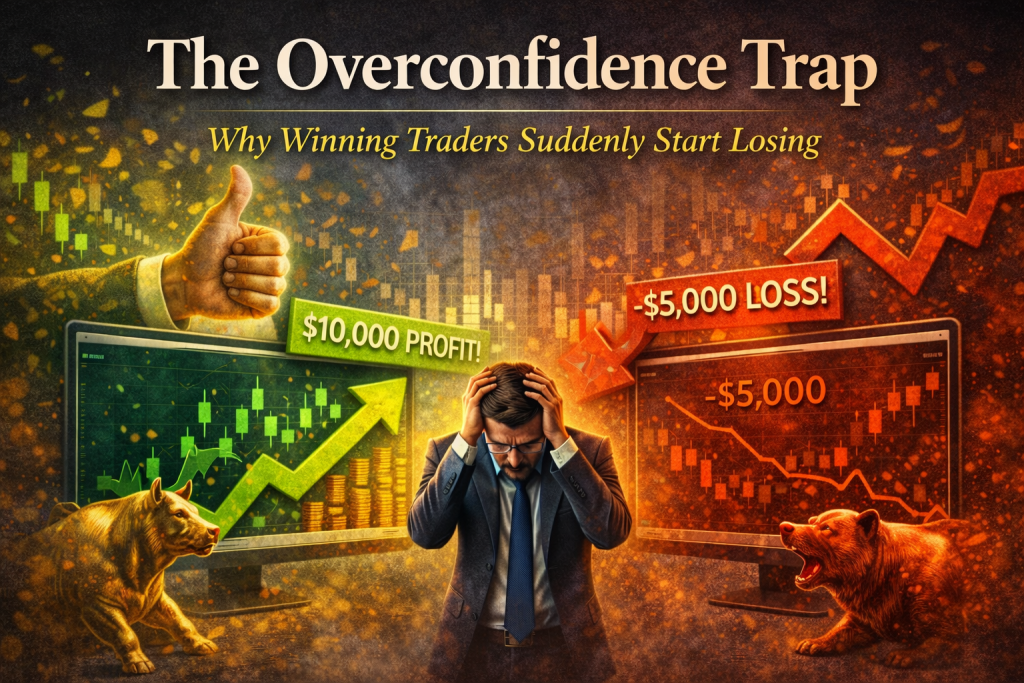
Every trader eventually experiences a losing streak. Even the most successful traders in the world face periods where multiple trades fail in a row. While losses are a natural part of trading, the real danger does not come from the losses themselves—it comes from the psychological reaction traders have to them.
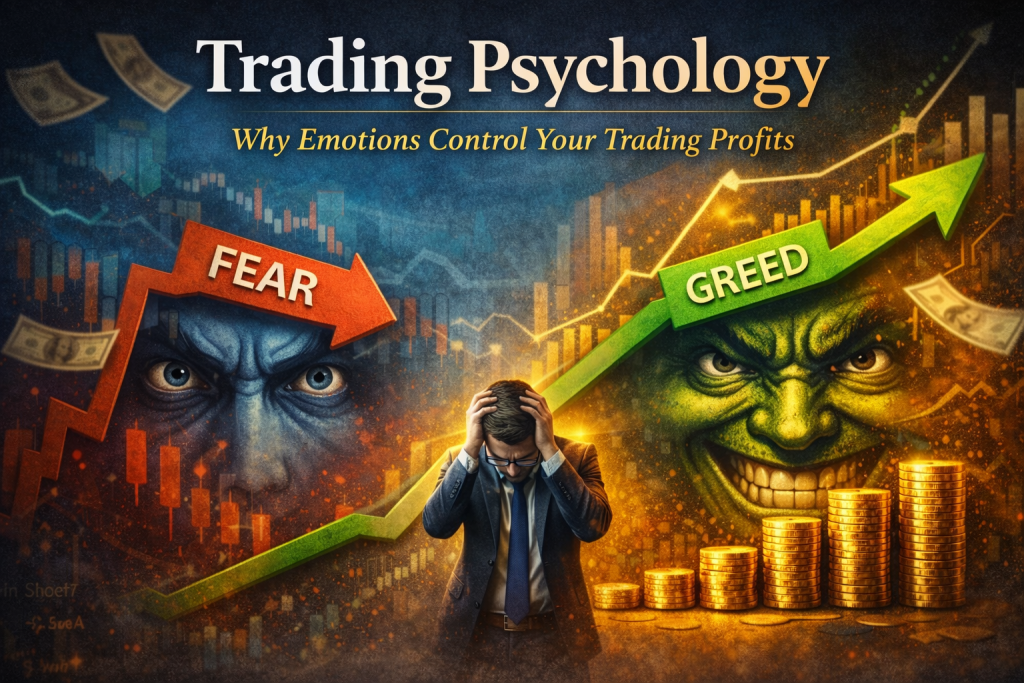
Losing streaks create emotional pressure that can cause traders to abandon their strategies, increase risk, or make impulsive decisions. Instead of following disciplined trading plans, traders may begin to chase the market, overtrade, or revenge trade in an attempt to recover losses quickly.
Understanding the psychology behind losing streaks is essential for anyone who wants to achieve long-term success in financial markets. By recognizing how emotions influence behavior during difficult periods, traders can develop strategies to maintain discipline and protect their capital.
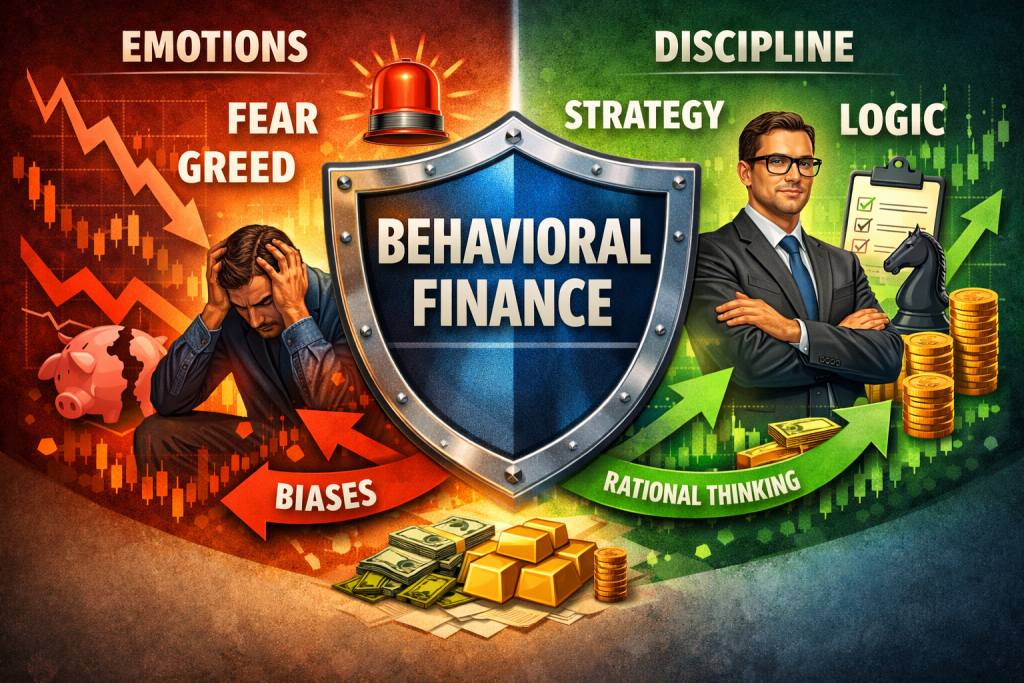
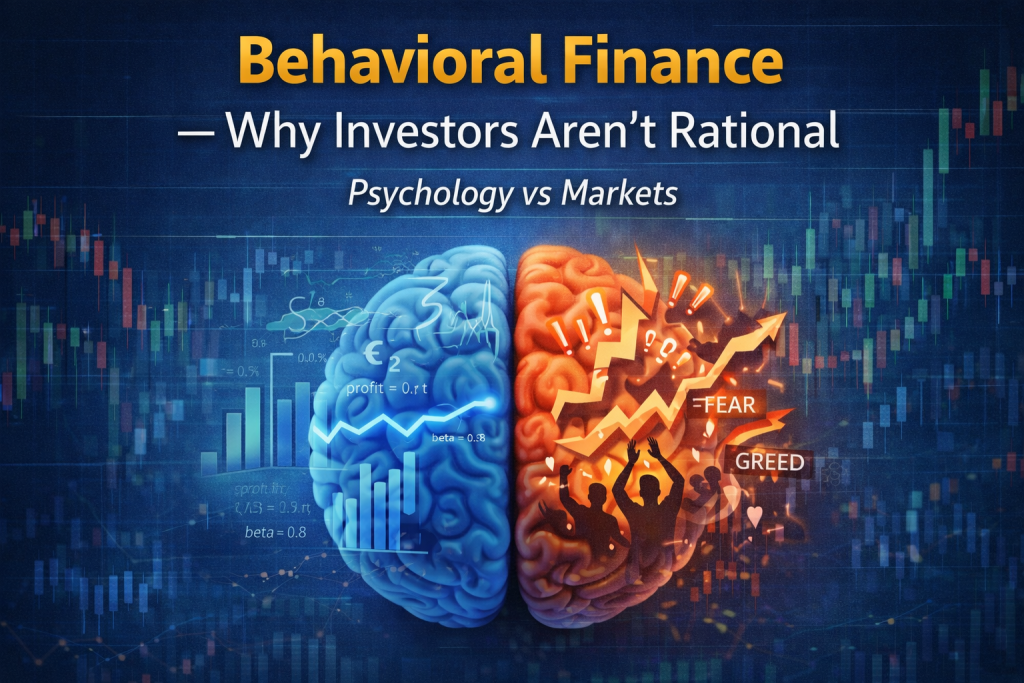
Many of these emotional reactions are explained in the field of
Behavioral Finance,
which studies how psychological biases influence financial decisions.
Why Losing Streaks Are Inevitable in Trading
One of the most important realities traders must accept is that losing streaks are unavoidable. Even the best trading strategies have periods of underperformance.
A strategy with a 60% win rate still means that 40% of trades will lose. Statistically, this makes it possible—and even likely—for traders to experience several losses in a row.
For example, if a trader takes 100 trades with a 60% win rate, there will almost certainly be periods where four, five, or even six trades lose consecutively.
This does not necessarily mean the strategy is broken. It simply reflects the natural randomness of financial markets.
The Role of Probability in Losing Streaks
Markets operate within probabilistic systems rather than certainty. Traders who fail to understand probability often interpret losing streaks as personal failure or proof that their strategy no longer works.
This misunderstanding leads to emotional reactions that damage performance. Instead of trusting their strategy, traders may abandon it entirely.
This psychological pressure is one of the primary reasons many traders struggle to maintain long-term consistency.
The Emotional Impact of Consecutive Losses
When traders experience multiple losses in a row, the psychological impact can be intense. Confidence begins to decline, frustration increases, and emotional decision-making becomes more likely.
Several common emotional responses occur during losing streaks:
- Frustration
- Self-doubt
- Fear of further losses
- Anger toward the market
- Urgency to recover losses quickly
These emotions often trigger destructive trading behaviors that make the situation worse.
Revenge Trading: The Most Dangerous Reaction
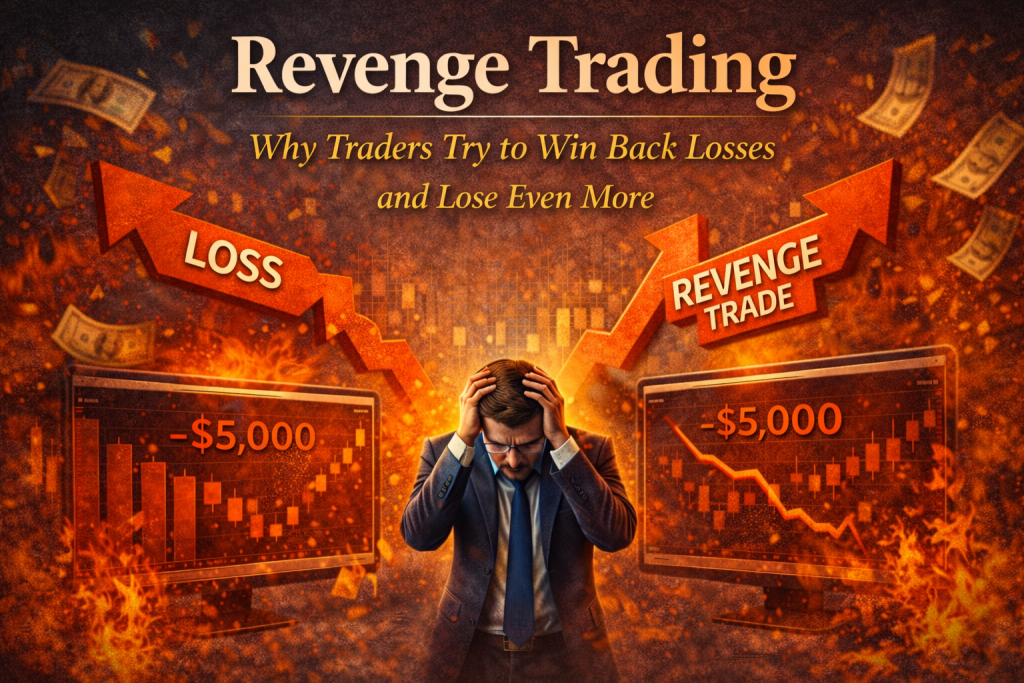
One of the most common psychological responses to losing streaks is revenge trading.
Revenge trading occurs when traders attempt to recover losses quickly by taking impulsive trades without proper analysis. Instead of waiting for high-quality setups, traders begin entering positions simply because they feel the need to win back money.
This behavior often leads to:
- Larger position sizes
- Poor entry timing
- Ignoring risk management rules
- Emotional decision-making
Ironically, revenge trading typically leads to even larger losses.
Overtrading During Losing Streaks
Another common mistake traders make during losing streaks is overtrading.
Overtrading occurs when traders take too many trades in a short period of time. Instead of waiting patiently for high-probability setups, traders begin forcing trades in an attempt to generate profits quickly.
Overtrading often results in:
- Higher transaction costs
- Lower-quality setups
- Increased emotional stress
- Poor decision-making
This behavior frequently turns small losing streaks into major account drawdowns.
Loss Aversion and Psychological Pressure
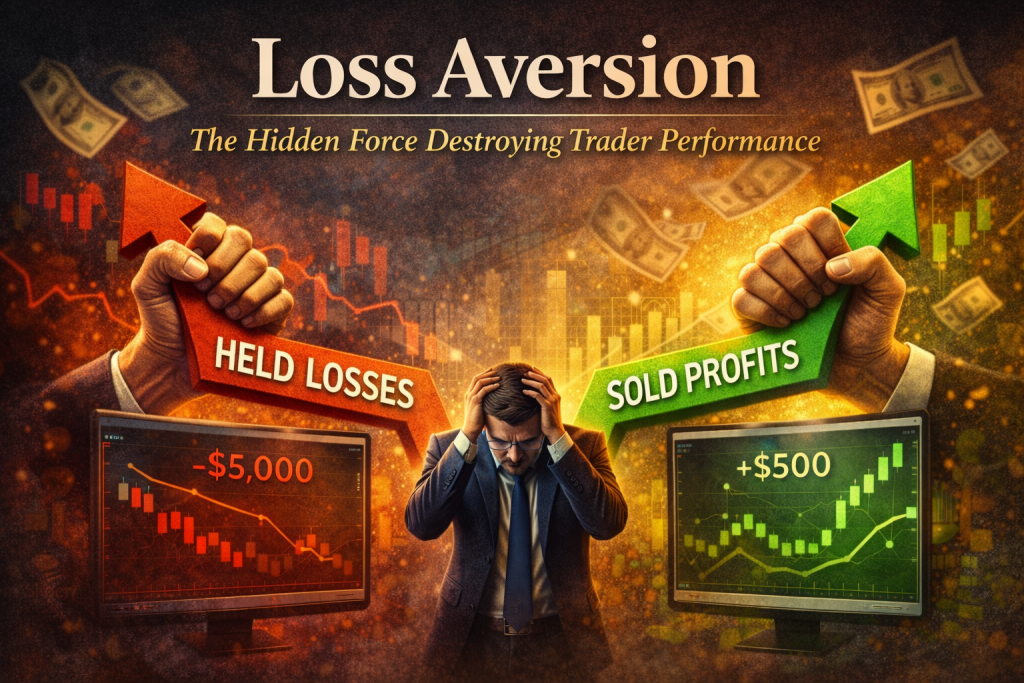
Another psychological factor that influences trader behavior during losing streaks is loss aversion.
Loss aversion describes the tendency for people to feel the pain of losses more strongly than the pleasure of gains. As a result, traders often react emotionally when they experience consecutive losses.
You can explore this concept in greater detail in our article on
Loss Aversion in Trading.
Because losses feel psychologically painful, traders may begin making irrational decisions in an attempt to avoid further emotional discomfort.
How Professional Traders Handle Losing Streaks
Professional traders understand that losing streaks are part of the trading process. Instead of reacting emotionally, they rely on disciplined systems and risk management practices.
Some of the methods professionals use include:
- Reducing position sizes
- Reviewing their trading journal
- Taking short breaks from trading
- Re-evaluating market conditions
- Maintaining strict risk limits
These practices help professional traders maintain objectivity during difficult periods.
Building Psychological Resilience as a Trader
Developing psychological resilience is one of the most important skills traders can build. Resilient traders understand that performance should be evaluated over long periods rather than individual trades.
Instead of focusing on short-term losses, they concentrate on executing their strategy consistently.
Over time, this disciplined approach allows traders to maintain confidence even during challenging market conditions.
Related Articles
- Behavioral Finance: Why Investors Aren’t Always Rational
- Fear and Greed in Trading: The Two Emotions That Control the Markets
- Modern Portfolio Theory Explained
- Momentum Investing: Why Winning Stocks Often Keep Winning
Frequently Asked Questions
Are losing streaks normal in trading?
Yes. Even profitable trading strategies experience periods of consecutive losses because markets operate on probability rather than certainty.
What is revenge trading?
Revenge trading occurs when traders attempt to recover losses quickly by taking impulsive trades without proper analysis.
How can traders handle losing streaks?
Traders can manage losing streaks by reducing position sizes, reviewing their trading journal, and continuing to follow their trading strategy consistently.
Why do losing streaks affect trader psychology?
Consecutive losses create emotional stress and self-doubt, which can cause traders to abandon their strategy and make impulsive decisions.