
Trading Discipline vs Motivation: Why Discipline Is the Real Edge in Trading
In the world of trading, motivation is often glorified. Social media is filled with quotes about staying motivated, grinding harder, and chasing success. But when it comes to actual performance in financial markets, motivation is not what separates profitable traders from those who consistently lose.
The real edge is discipline.
This distinction is subtle but critical. Motivation is emotional, inconsistent, and external. Discipline is structured, repeatable, and internal. One fades when conditions change. The other thrives regardless of circumstances.
If you are serious about building long-term profitability in trading, understanding the difference between discipline and motivation—and more importantly, learning how to operate from discipline—is one of the most important psychological upgrades you will ever make.
The Illusion of Motivation in Trading
Motivation feels powerful. It gives you energy. It pushes you to act. It makes you believe you can conquer the markets.
But here’s the problem: motivation is unreliable.
It depends on how you feel.
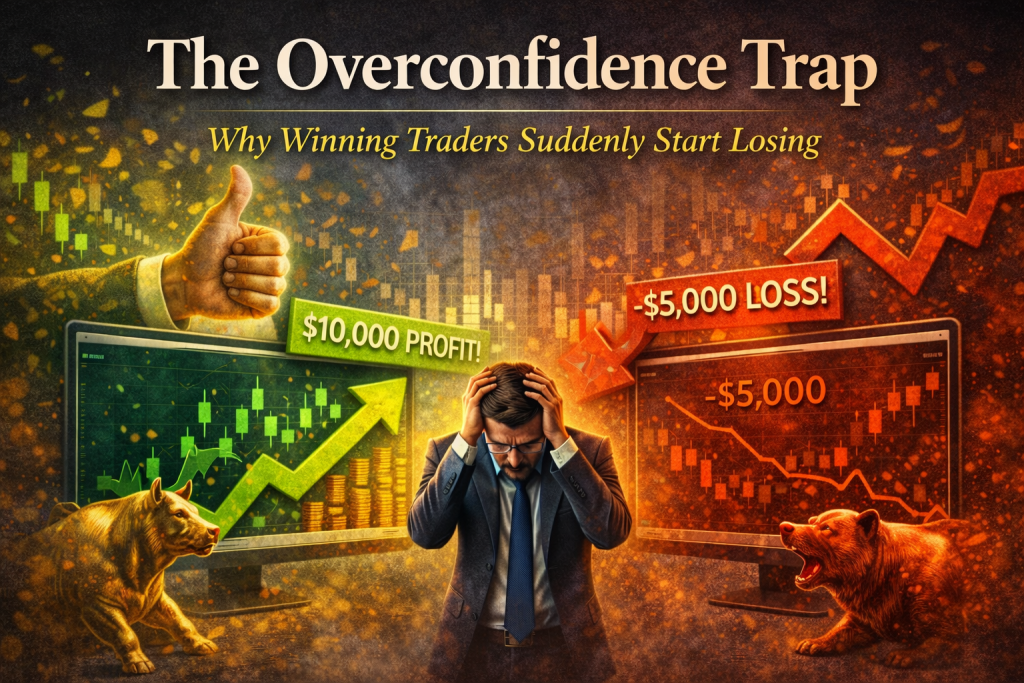
When you are in profits, motivation is high. When you just watched a trading video or read an inspiring article, motivation spikes. When you envision financial freedom, motivation surges.
But what happens when you hit a losing streak?
What happens when the market invalidates your setup three times in a row?
What happens when you follow your plan perfectly—and still lose?
Motivation disappears.
This is where most traders break.
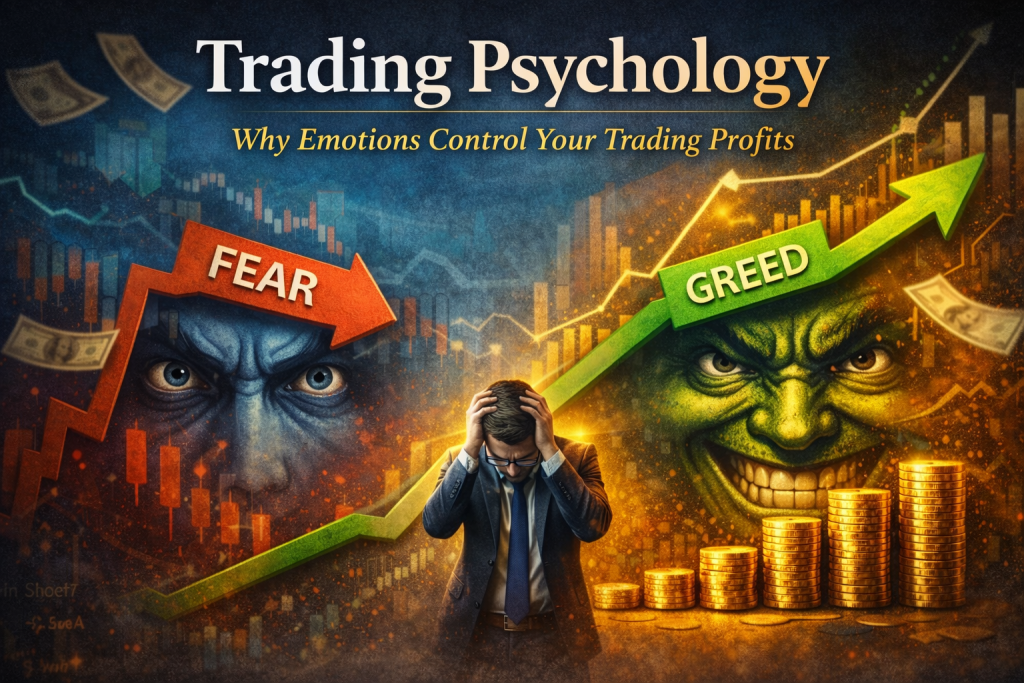
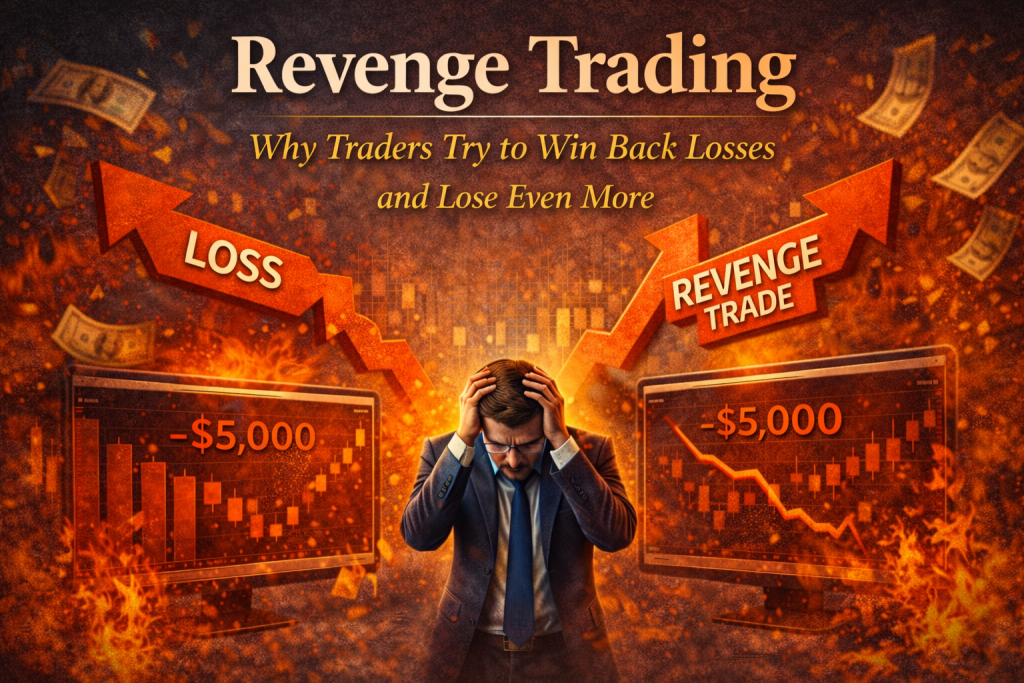
They begin to overtrade, revenge trade, increase lot sizes, abandon their systems, or hesitate on valid setups. Not because they lack intelligence—but because they rely on motivation instead of discipline.
What Discipline Really Means in Trading
Discipline is not about forcing yourself to trade. It is about controlling your behavior regardless of how you feel.
In trading, discipline means:
- Executing your strategy exactly as defined
- Respecting your risk parameters at all times
- Avoiding impulsive decisions
- Accepting losses without emotional reaction
- Sticking to your plan even when results are uncertain
Discipline removes emotion from execution.
It transforms trading from a reactive activity into a controlled process.
This is why, as explored in why structure beats intelligence in trading, success is not about intelligence—it is about consistent execution of a defined system.
The Core Difference: Discipline vs Motivation
| Factor | Motivation | Discipline |
|---|---|---|
| Source | Emotional | System-based |
| Consistency | Unstable | Reliable |
| Dependence | External triggers | Internal rules |
| Performance Impact | Short-term bursts | Long-term consistency |
| Behavior Under Stress | Breaks down | Holds structure |
Real Trading Scenario: Motivation vs Discipline
Trader A (Motivated)
Wakes up excited after seeing profits yesterday. Takes trades aggressively. Wins early. Confidence increases. Later, takes lower-quality setups. Market reverses. Ends day in loss.
Trader B (Disciplined)
Follows predefined checklist. Takes only qualified setups. Stops trading after reaching daily risk limit—even if feeling confident. Ends day with small gain or controlled loss.
Over time, Trader B survives and compounds. Trader A burns out.
This aligns with structured risk thinking explained in risk-reward asymmetry, where consistency—not intensity—drives long-term growth.
Why Discipline Is the Real Edge
1. Markets Are Uncertain by Nature
No strategy wins all the time. Losses are inevitable.
Without discipline, traders react emotionally to randomness.
With discipline, traders accept variability and stick to their statistical edge.
2. Discipline Protects Capital
Motivated traders often increase risk after wins or losses.
Disciplined traders maintain fixed risk per trade.
This is the difference between survival and account destruction.
3. Discipline Builds Consistency
Consistency is the foundation of compounding.
You cannot compound randomness. You can only compound controlled execution.
4. Discipline Reduces Psychological Stress
When you follow a system, you remove decision fatigue.
You no longer ask: “Should I enter?”
You simply execute when conditions are met.
The Psychology Behind Discipline
Discipline is not natural. It is built.
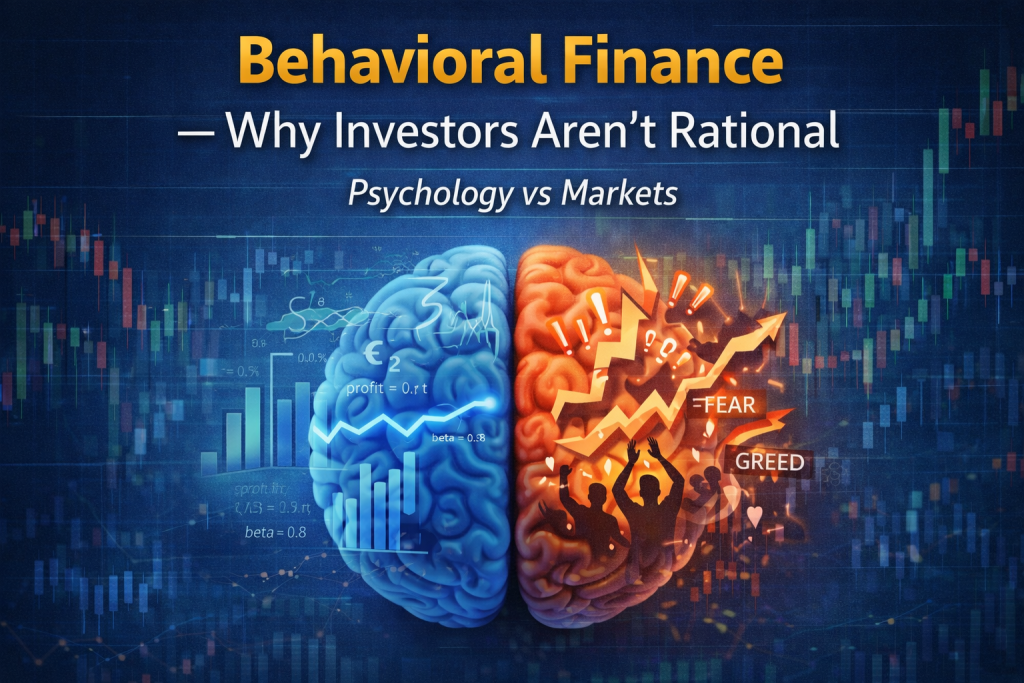
Humans are wired for:
- Immediate gratification
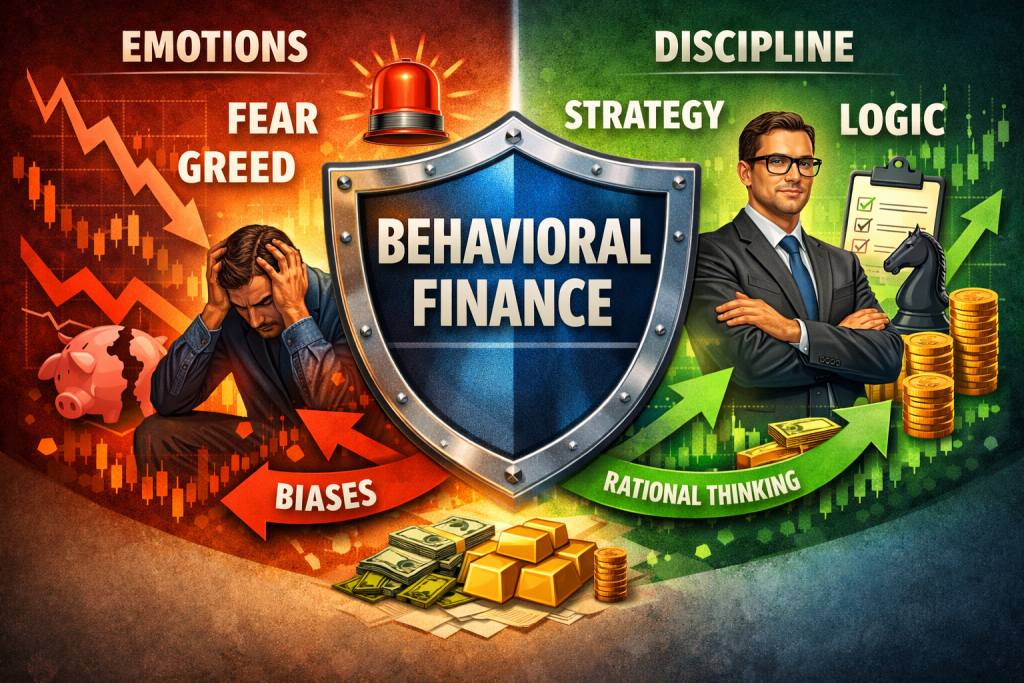
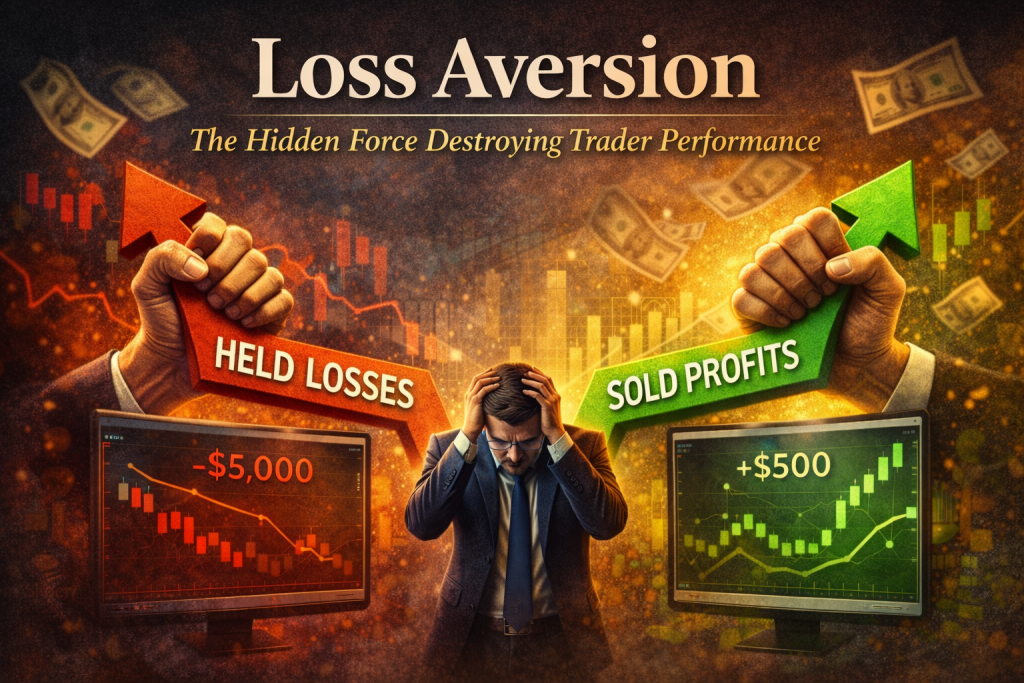
- Loss aversion
- Emotional decision-making
Trading punishes all three.
This is why many traders struggle. Not because trading is complex—but because it requires behavior that contradicts human instincts.
For a deeper behavioral breakdown, see emotional trading and decision making.
How to Build Trading Discipline (Step-by-Step)
1. Define a Clear Trading Plan
Your plan should include:
- Entry conditions
- Exit conditions
- Risk per trade
- Maximum daily loss
- Trading sessions
If your rules are unclear, discipline is impossible.
2. Use a Pre-Trade Checklist
Before every trade, ask:
- Does this setup meet all criteria?
- Is risk within limits?
- Am I trading out of emotion?
This forces structured thinking.
3. Automate Where Possible
Use stop-loss and take-profit orders.
Remove manual interference.
4. Journal Every Trade
Track:
- Entry reasoning
- Emotional state
- Outcome
Over time, patterns emerge.
5. Focus on Process, Not Outcome
Winning trades do not mean good decisions.
Losing trades do not mean bad decisions.
Judge yourself based on execution.
Discipline Framework for Professional Traders
| Area | Discipline Rule | Purpose |
|---|---|---|
| Risk | Fixed % per trade | Capital protection |
| Entries | Rule-based setups only | Avoid impulsive trades |
| Loss Control | Daily loss limit | Prevent emotional spiral |
| Execution | No deviation | Consistency |
| Review | Weekly analysis | Continuous improvement |
Why Most Traders Fail to Develop Discipline
There are three main reasons:
1. They Chase Results Instead of Process
They want profits immediately.
Discipline requires delayed gratification.
2. They Trade Without Structure
No rules = no discipline.
3. They Rely on Emotion
They trade based on how they feel.
This leads to inconsistency.
Final Insight: Discipline Compounds, Motivation Fades
Motivation will help you start your trading journey.
But it will not sustain it.
Discipline is what keeps you executing when:
- You are tired
- You are in drawdown
- You are uncertain
- You feel like quitting
This is the real edge.
Not strategy.
Not indicators.
Not intelligence.
But behavior.
Conclusion
Trading is not a game of excitement. It is a game of control.
The traders who succeed are not the most motivated—they are the most disciplined.
They follow their systems.
They respect risk.
They execute consistently.
And over time, that consistency compounds into profitability.
If you want to transform your trading results, stop chasing motivation.
Start building discipline.
Because in trading, discipline is not just important—it is everything.
Pingback: Emotional Control In Trading: How To Master Fear, Greed, And Decision-Making Under Pressure — The Capital Process