Author name: Nnoka Sunday Caleb

Hi, I’m Nnoka Sunday Caleb — the mind behind *The Capital Process*. I’m a statistics student, trader, and researcher of trading psychology. My interest in the markets goes beyond charts and indicators. I focus on the **human side of trading — the emotions, biases, and decision-making patterns that influence every trade**. Many traders spend years searching for the perfect strategy, but very few realize that **discipline, emotional control, and psychological awareness are what truly determine long-term success**. That realization is what inspired me to start this blog. At *The Capital Process*, I write about the following: • Trading psychology and behavioral biases • Emotional discipline and risk management • Common mistakes retail traders make • The mental frameworks that help traders stay consistent As a statistics student, I’m especially interested in **how probability, risk, and human behavior interact in financial markets**. My goal is to simplify complex psychological concepts and turn them into practical insights traders can actually use. This website is not about hype, signals, or “get rich quick” promises. Instead, it focuses on **developing the mindset and decision-making process required for sustainable trading performance**. When I’m not studying or writing, I spend time analyzing market behavior, improving my trading process, and researching how traders can overcome emotional pitfalls. # Disclaimer The content on this website is provided for **educational and informational purposes only** and should not be considered financial advice. Trading involves risk, and you should always do your own research or consult a qualified financial professional before making investment decisions.

gold vs bonds in inflation
Precious Metals

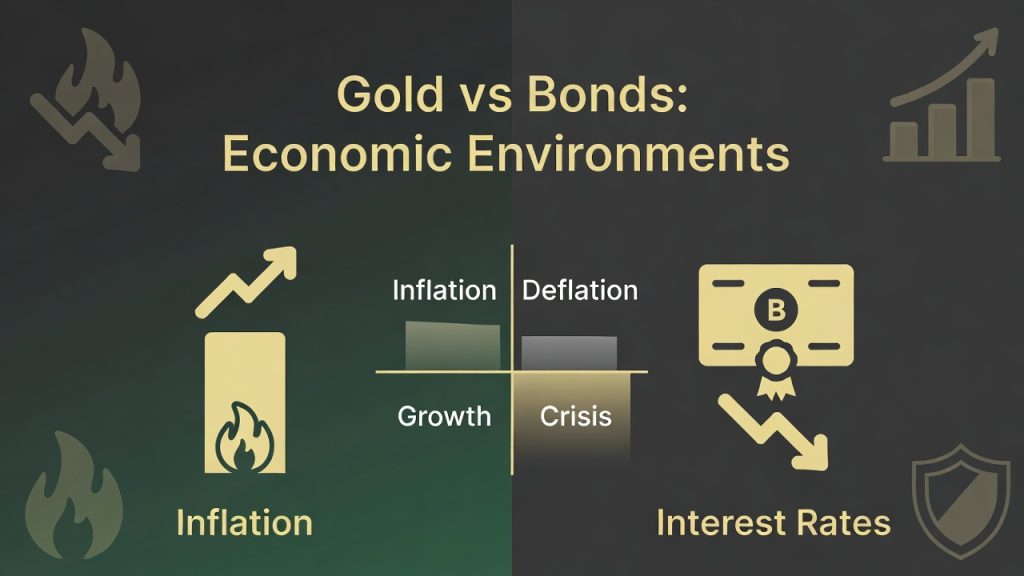
Gold vs Bonds: How They Behave in Different Economic Environments

Bonds and gold represent two classic defensive assets in portfolios, yet they respond to economic conditions in almost opposite ways. Bonds provide income through interest payments and principal repayment; gold provides no yield but aims to preserve purchasing power. Understanding their divergent behavior across key environments—inflation, deflation, strong growth, rising rates, and crises—is essential for […]

Gold vs Bonds: How They Behave in Different Economic Environments Read Post »
gold vs stocks diversification
Precious Metals

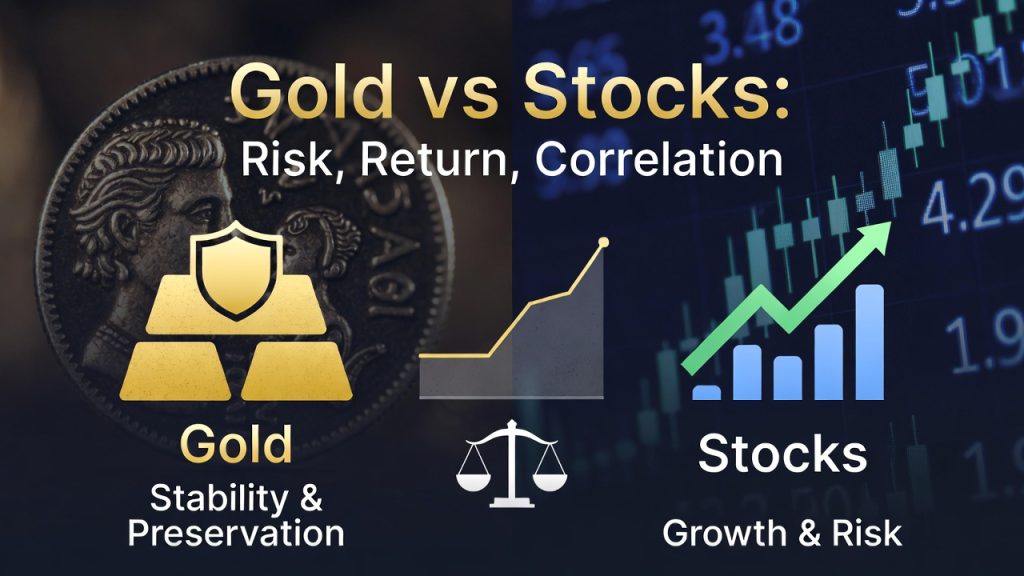
Gold vs Stocks: Key Differences in Risk, Return, and Correlation

Stocks and gold represent two fundamentally opposite ends of the investing spectrum. Stocks offer ownership in productive businesses that can grow earnings, pay dividends, and compound value over decades. Gold offers no income, no growth from operations, and no management team—it simply exists as a physical element with fixed supply. Yet both have coexisted in

Gold vs Stocks: Key Differences in Risk, Return, and Correlation Read Post »

Gold Purity and Measurement Explained
Precious Metals

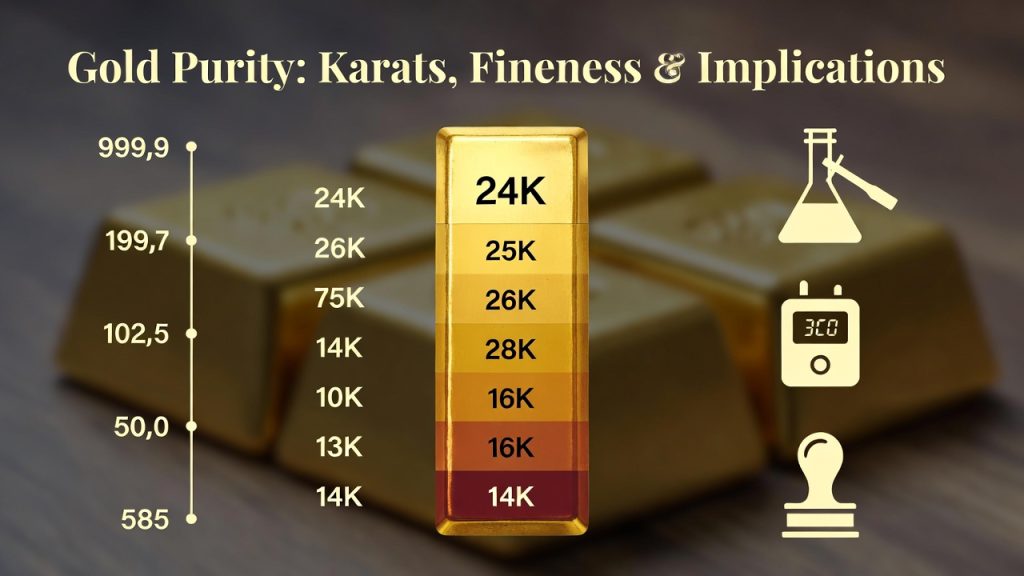
Gold Purity and Measurement Explained: Karats, Fineness, and Practical Implications

When buying or evaluating gold—whether physical bullion, coins, jewelry, or even ETF-backed claims—purity is one of the most critical factors. Purity determines how much actual gold you own versus alloy (other metals added for hardness, color, or cost reduction). Misunderstanding purity can lead to overpaying, receiving less value, or holding substandard material that loses worth

Gold Purity and Measurement Explained: Karats, Fineness, and Practical Implications Read Post »

What Makes Gold Unique
Precious Metals

What Makes Gold Unique? Physical Properties and Why They Matter for Investors

Gold is not like stocks, bonds, real estate, or most commodities. It generates no income, pays no dividends, and produces no cash flow. Yet it has remained a globally recognized asset class for over 5,000 years. What explains this endurance? The answer lies in a rare combination of physical and economic properties that no other

What Makes Gold Unique? Physical Properties and Why They Matter for Investors Read Post »

why gold is valuable asset
Precious Metals

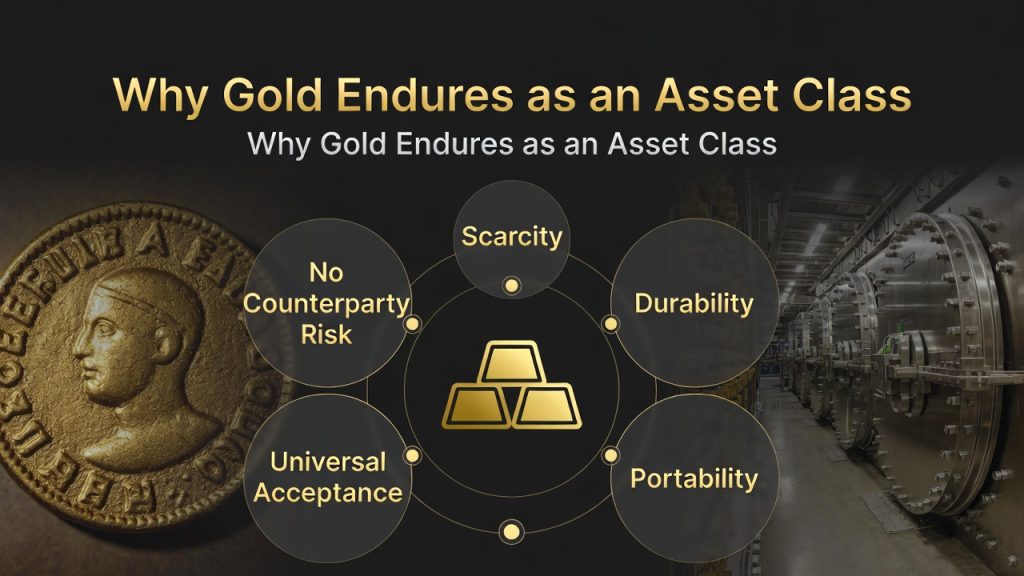
Why Gold Has Endured as an Asset Class: A Systematic Look at Its Properties

Few assets have maintained relevance across 5,000+ years of human civilization. Gold is one of them—not because of any inherent productivity, but due to a unique combination of physical and economic characteristics that consistently solve core problems of wealth preservation and exchange. This endurance is not accidental. Gold’s properties address fundamental human needs: storing value

Why Gold Has Endured as an Asset Class: A Systematic Look at Its Properties Read Post »

gold during economic crisis history
Precious Metals

Gold in Times of Crisis: Historical Examples of Wealth Preservation

Crises—whether war, inflation, financial collapse, or geopolitical upheaval—test assets. Productive assets (businesses, stocks) can suffer prolonged damage; claims on institutions can default. Gold has repeatedly demonstrated a different pattern: preservation of purchasing power when other systems falter. This is not because gold “always rises” (no such guarantee exists), but due to its intrinsic properties: scarcity,

Gold in Times of Crisis: Historical Examples of Wealth Preservation Read Post »

historical evolution of gold value
Precious Metals

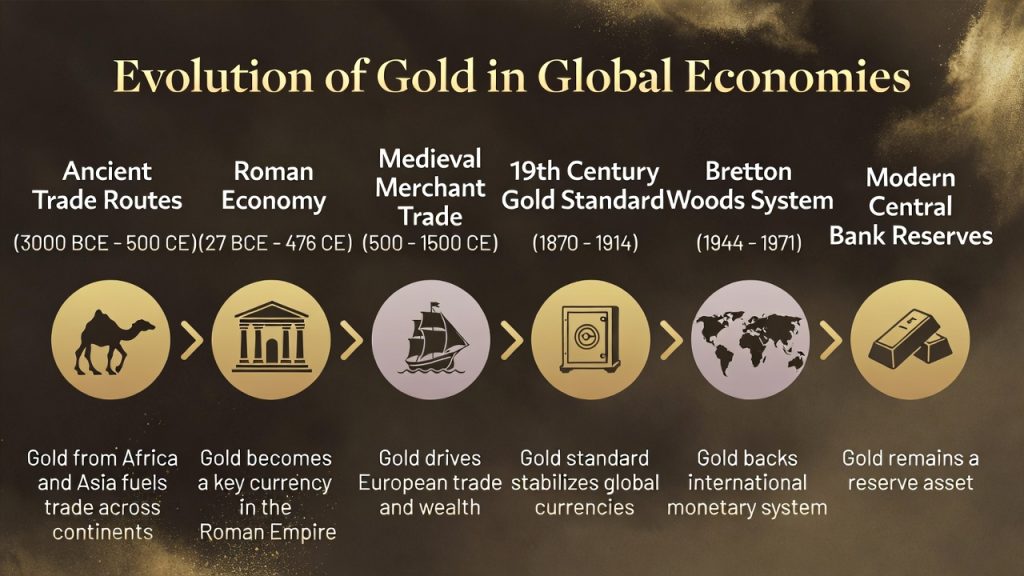
Evolution of Gold in Global Economies: Ancient to Modern

Gold’s role in economies has transformed dramatically over millennia—yet certain constants remain: its scarcity-driven value, its independence from political promises, and its recurring function as a fallback when other systems falter. This evolution is not a straight line of progress but a series of adaptations to trade needs, monetary crises, technological changes, and geopolitical shifts.

Evolution of Gold in Global Economies: Ancient to Modern Read Post »

gold as money history
Precious Metals

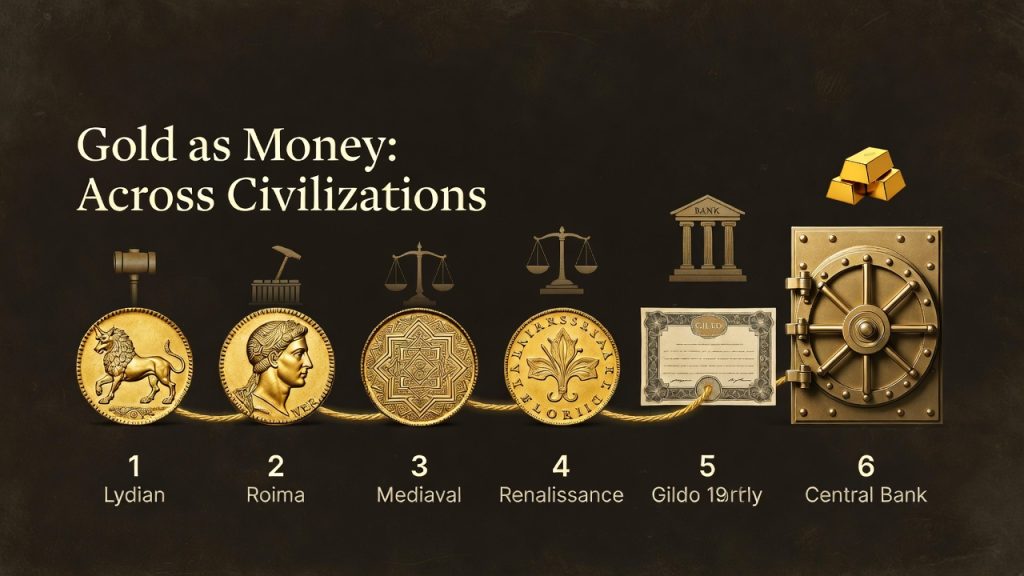
Gold as Money Through History: Enduring Principles

Before paper currencies and digital ledgers, societies needed a reliable medium of exchange, unit of account, and store of value. Gold repeatedly emerged as the solution—not by decree, but because its physical properties solved real problems in trade, trust, and preservation. Across thousands of years and diverse civilizations, gold served as money in remarkably consistent

Gold as Money Through History: Enduring Principles Read Post »

gold as store of value for investors
Trading Psychology, Precious Metals

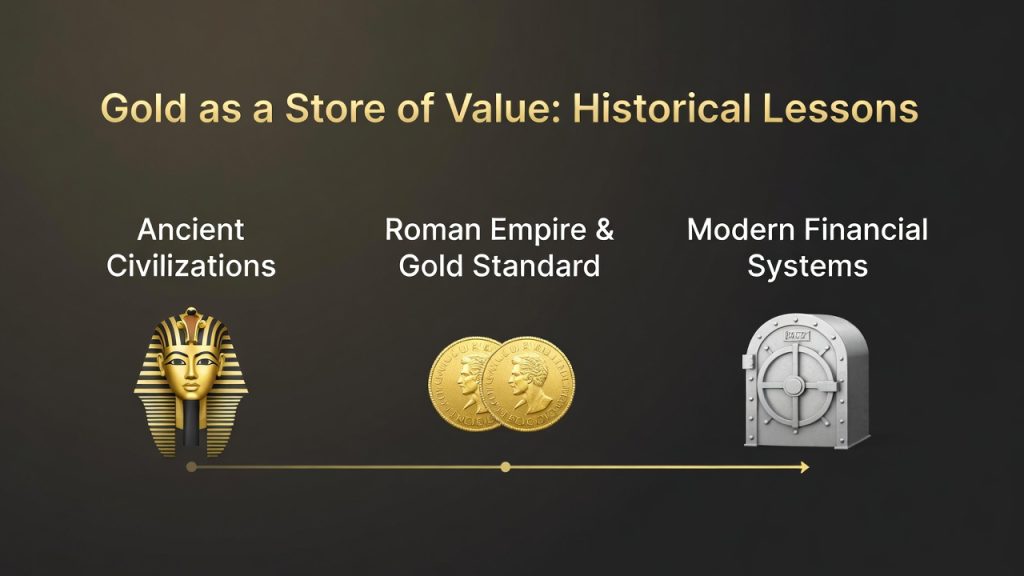
History of Gold as a Store of Value: Lessons for Investors

A store of value is an asset that maintains purchasing power over long periods, ideally across generations and through economic disruptions. Few assets have fulfilled this role as consistently as gold. For thousands of years, gold has been chosen not because it generates income, but because of its scarcity, durability, divisibility, portability, and universal acceptance.

History of Gold as a Store of Value: Lessons for Investors Read Post »

behavioral finance trading
Trading Psychology

Overconfidence Bias in Trading: Why Too Much Confidence Destroys Profits

Overconfidence Bias in Trading: Why Too Much Confidence Destroys Profits Confidence is essential for success in financial markets. Without confidence, traders hesitate, miss opportunities, and struggle to execute their strategies. However, there is a fine line between healthy confidence and dangerous overconfidence. When traders cross that line, they fall victim to overconfidence bias, one of

Overconfidence Bias in Trading: Why Too Much Confidence Destroys Profits Read Post »
revenge trading
Trading Psychology

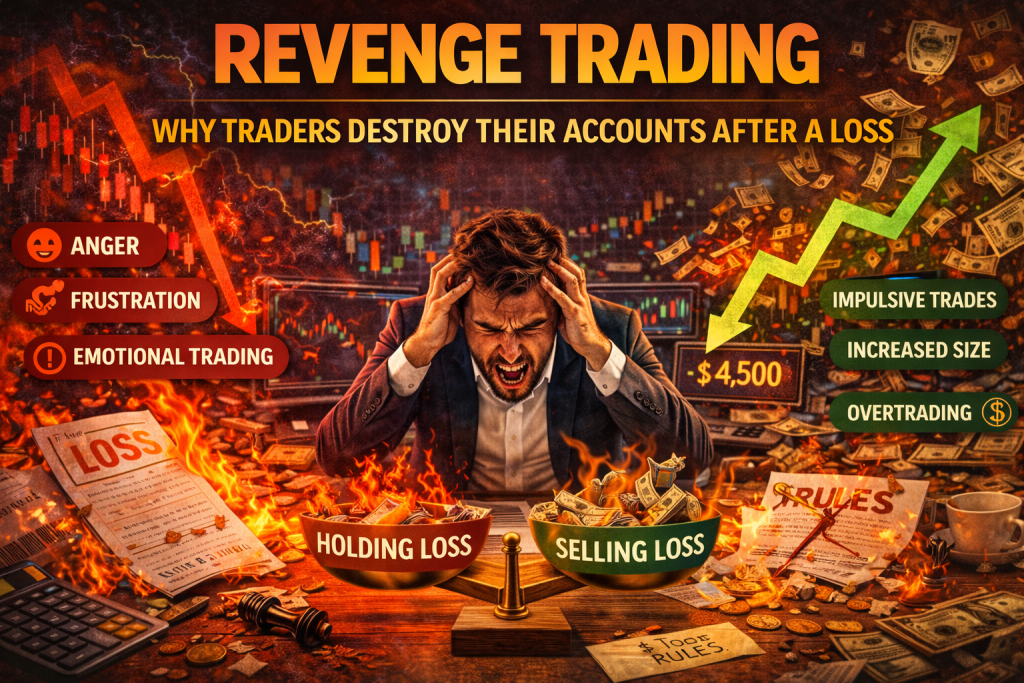
Revenge Trading: Why Traders Destroy Their Accounts After a Loss

Revenge Trading: Why Traders Destroy Their Accounts After a Loss One of the fastest ways traders destroy their trading accounts is through a behavior known as revenge trading. It is an emotional reaction that occurs after a loss, where traders immediately attempt to recover their money by placing new trades without proper analysis or discipline.

Revenge Trading: Why Traders Destroy Their Accounts After a Loss Read Post »

sunk cost fallacy trading
Trading Psychology

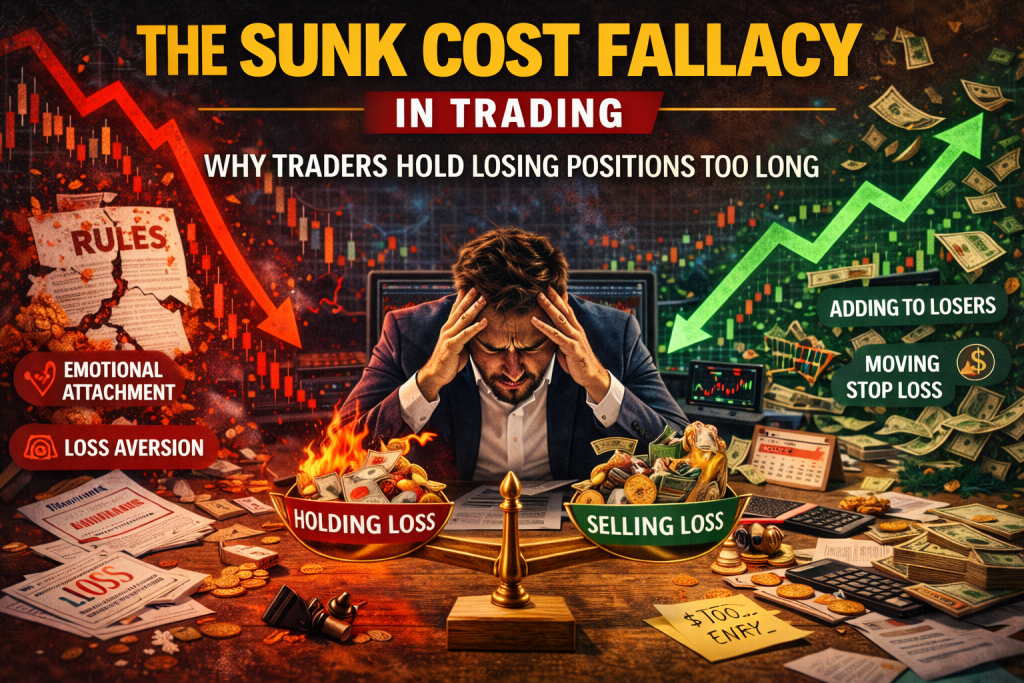
The Sunk Cost Fallacy in Trading: Why Traders Hold Losing Positions Too Long

The Sunk Cost Fallacy in Trading: Why Traders Hold Losing Positions Too Long One of the most destructive psychological biases in trading is the sunk cost fallacy. Every trader has experienced it: a trade begins to move against them, yet instead of exiting the position, they hold on—sometimes even adding more capital—hoping the market will

The Sunk Cost Fallacy in Trading: Why Traders Hold Losing Positions Too Long Read Post »

trading psychology discipline
Trading Psychology

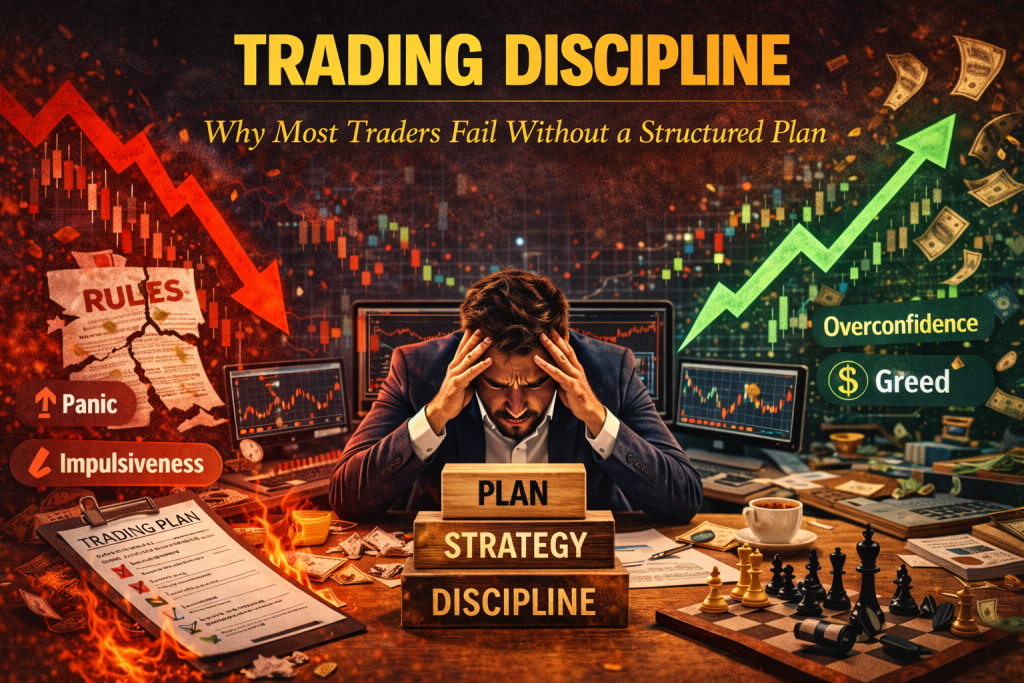
Trading Discipline: Why Most Traders Fail Without a Structured Plan

Trading Discipline: Why Most Traders Fail Without a Structured Plan Many traders enter the financial markets believing that success depends primarily on finding the perfect strategy. They spend countless hours searching for indicators, signals, and chart patterns that promise consistent profits. However, the reality of trading success is very different. While strategies are important, the

Trading Discipline: Why Most Traders Fail Without a Structured Plan Read Post »

trading losing streak psychology
Trading Psychology

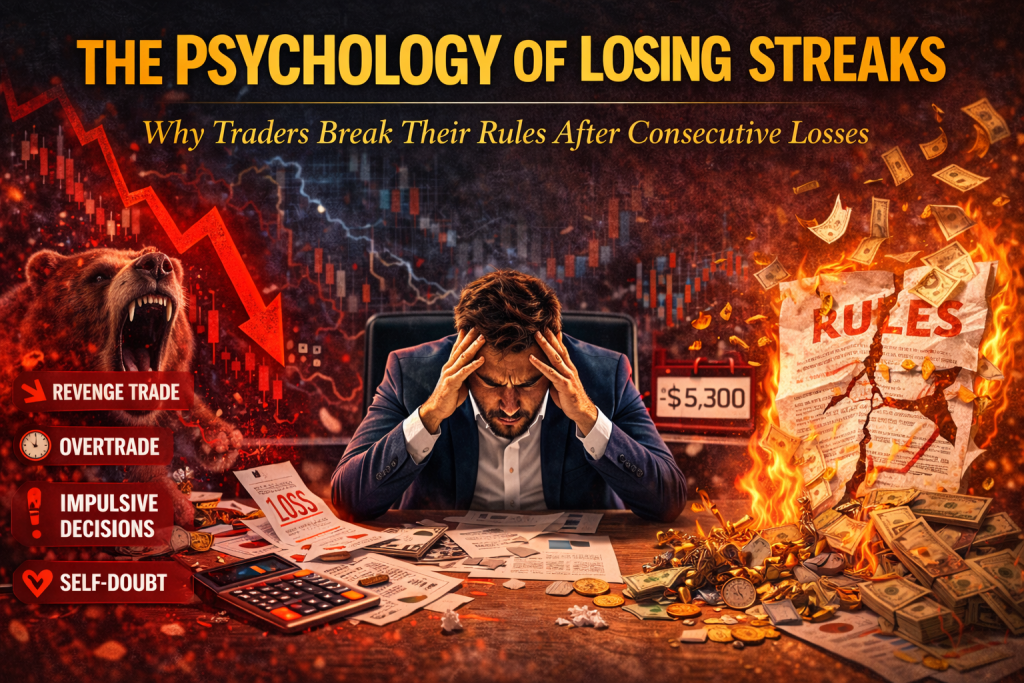
The Psychology of Losing Streaks: Why Traders Break Their Rules After Consecutive Losses

The Psychology of Losing Streaks: Why Traders Break Their Rules After Consecutive Losses Every trader eventually experiences a losing streak. Even the most successful traders in the world face periods where multiple trades fail in a row. While losses are a natural part of trading, the real danger does not come from the losses themselves—it

The Psychology of Losing Streaks: Why Traders Break Their Rules After Consecutive Losses Read Post »

fear and greed trading
Trading Psychology

Fear and Greed in Trading: The Two Emotions That Control the Markets

Introduction Financial markets are often described as complex systems driven by data, economic indicators, and institutional strategies. While these factors certainly influence market behavior, one powerful force often dominates them all: human emotion. Two emotions in particular play a central role in shaping market movements—fear and greed. Fear and greed influence how traders react to

Fear and Greed in Trading: The Two Emotions That Control the Markets Read Post »

emotional trading
Trading Psychology

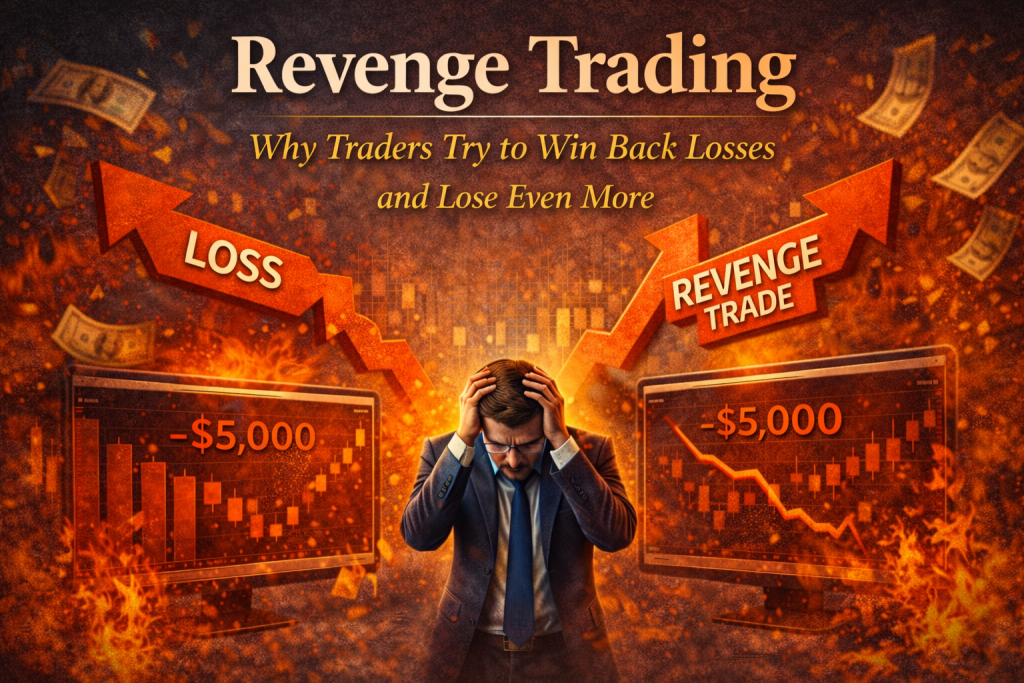
Revenge Trading: Why Traders Try to Win Back Losses and Lose Even More

Introduction Every trader eventually experiences losses. In financial markets, losses are not just possible—they are inevitable. Even the most profitable strategies in the world experience losing streaks. However, the biggest danger in trading is often not the loss itself, but the emotional reaction that follows it. Many traders respond to losses with a powerful psychological

Revenge Trading: Why Traders Try to Win Back Losses and Lose Even More Read Post »

overconfidence bias trading
Trading Psychology

The Overconfidence Trap: Why Winning Traders Suddenly Start Losing

Introduction Success in financial markets can be both rewarding and dangerous. Many traders experience a period of strong performance only to suddenly face unexpected losses shortly afterward. This phenomenon is not always the result of poor strategy or changing market conditions. Often, it is caused by a powerful psychological bias known as overconfidence. Overconfidence occurs

The Overconfidence Trap: Why Winning Traders Suddenly Start Losing Read Post »

behavioral finance trading
Trading Psychology

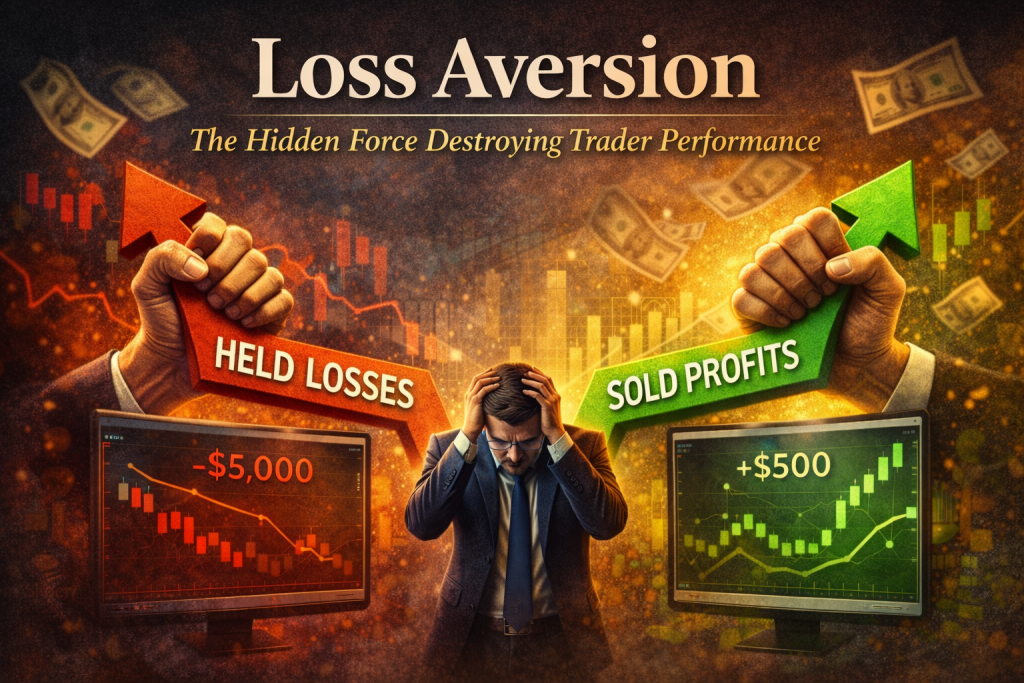
Loss Aversion: The Hidden Force Destroying Trader Performance

Introduction Financial markets are often described as rational systems driven by information, data, and economic fundamentals. In theory, traders and investors analyze available information, calculate probabilities, and make logical decisions that maximize expected returns. In reality, human psychology plays a far greater role than many people realize. One of the most powerful psychological forces influencing

Loss Aversion: The Hidden Force Destroying Trader Performance Read Post »

trading discipline
Trading Psychology

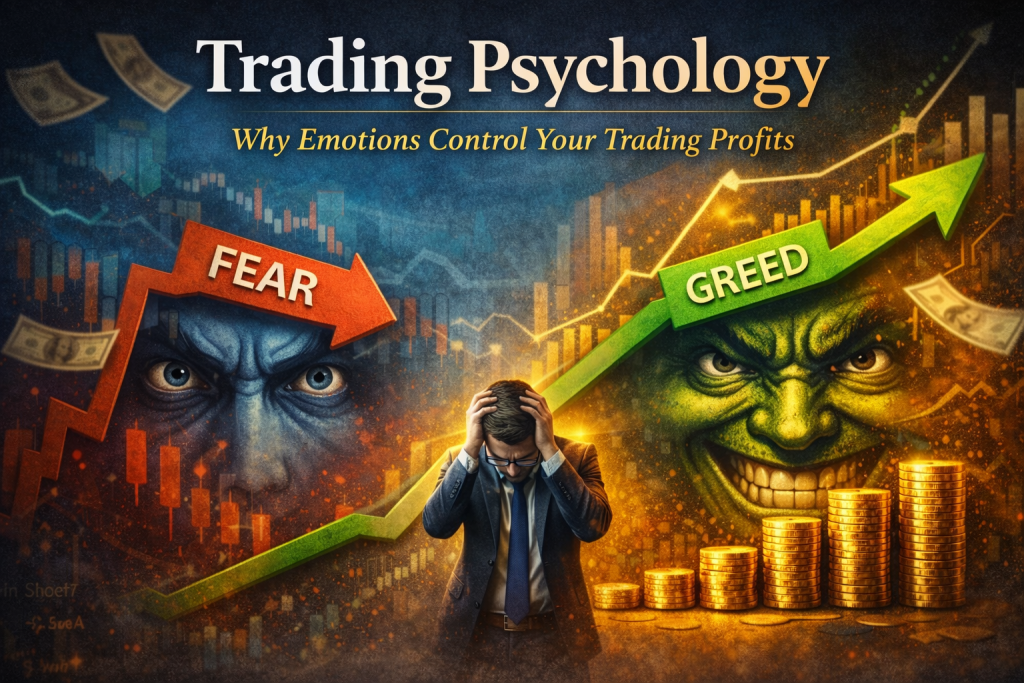
The Psychology of Trading: Why Emotions Decide Your Profits More Than Strategy

Introduction Many people believe trading success depends mainly on finding the perfect strategy. New traders spend months searching for the best indicators, the most accurate chart patterns, or the most profitable entry signals. However, experienced traders quickly discover a surprising truth: strategy is rarely the main problem. Two traders can use the exact same strategy

The Psychology of Trading: Why Emotions Decide Your Profits More Than Strategy Read Post »

how to evaluate gold investments
Precious Metals

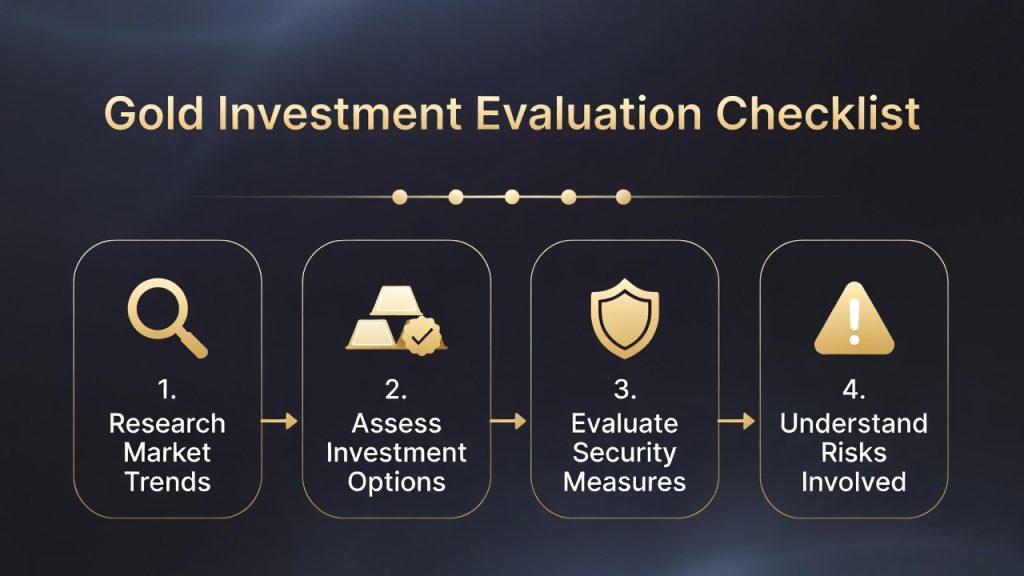
How to Evaluate Gold Investments: A Systematic Checklist for Beginners

Evaluating gold investments requires a structured approach rather than impulse decisions. Beginners often focus only on price or hype, overlooking authenticity, counterparty risks, storage needs, and alignment with overall goals. A systematic checklist ensures every aspect is reviewed deliberately—protecting capital and supporting long-term preservation. This guide provides a step-by-step checklist, detailed explanations, red flags, and

How to Evaluate Gold Investments: A Systematic Checklist for Beginners Read Post »

how to buy gold exposure
Precious Metals

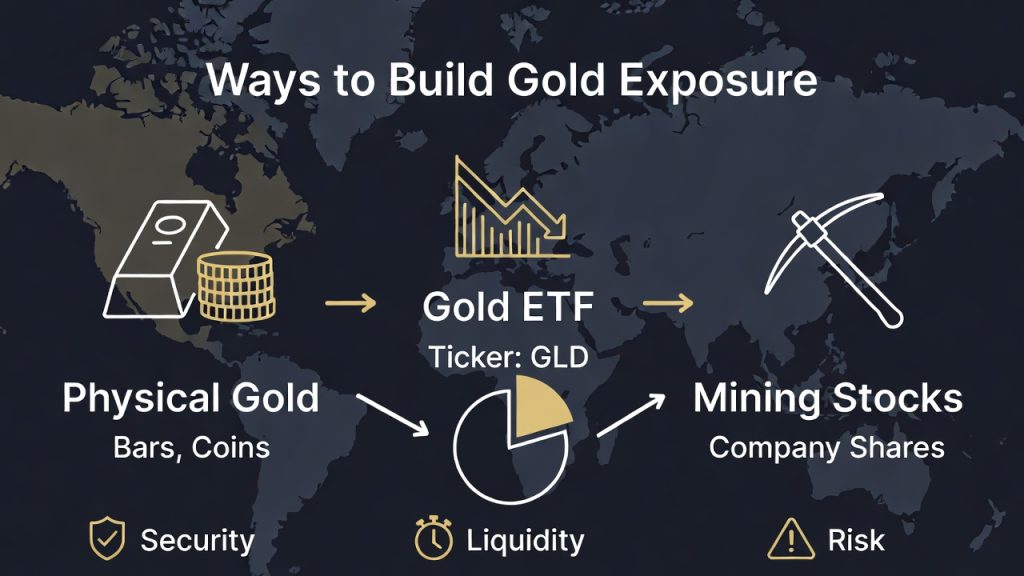
Ways to Invest in Gold: Physical, ETFs, and Other Structured Options

Adding gold to a portfolio requires choosing the right form of exposure. Each method carries distinct characteristics in terms of control, liquidity, costs, risks, and alignment with long-term goals. The choice should fit your overall disciplined process—whether emphasizing capital preservation, diversification, or ease of management. The main categories are: This guide compares them systematically: mechanics,

Ways to Invest in Gold: Physical, ETFs, and Other Structured Options Read Post »

secure gold storage beginners
Precious Metals

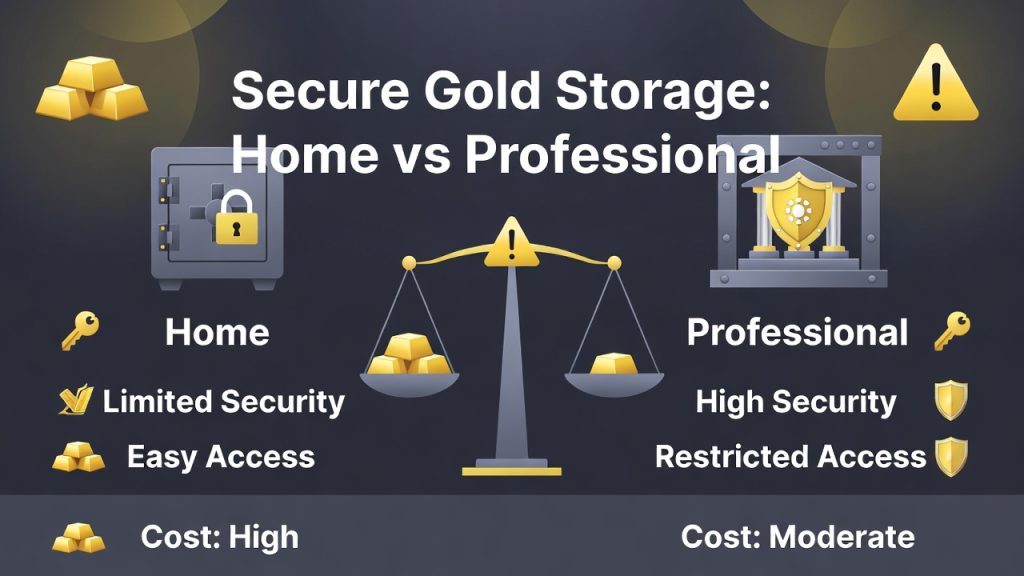
How to Store Gold Securely: Home vs Professional Options and Trade-Offs

Once gold is acquired as part of a diversified portfolio, protecting it becomes a critical step in the capital preservation process. Physical gold—bars, coins, or jewelry—carries unique risks: theft, loss, damage from fire/flood, or environmental factors. Unlike stocks or ETFs held electronically, physical holdings require deliberate storage decisions. The goal is balance: maximizing security while

How to Store Gold Securely: Home vs Professional Options and Trade-Offs Read Post »

gold vs stocks diversification
Precious Metals

Gold vs Stocks: Key Differences in Risk, Return, and Correlation

Stocks and gold represent two fundamentally different paths in the investing landscape. Stocks provide ownership in businesses that generate earnings, pay dividends, and grow over time through innovation and economic expansion. Gold, by contrast, is a physical commodity valued for its scarcity, durability, and centuries-long role as a store of value and medium of exchange.

Gold vs Stocks: Key Differences in Risk, Return, and Correlation Read Post »

gold diversification benefits
Precious Metals

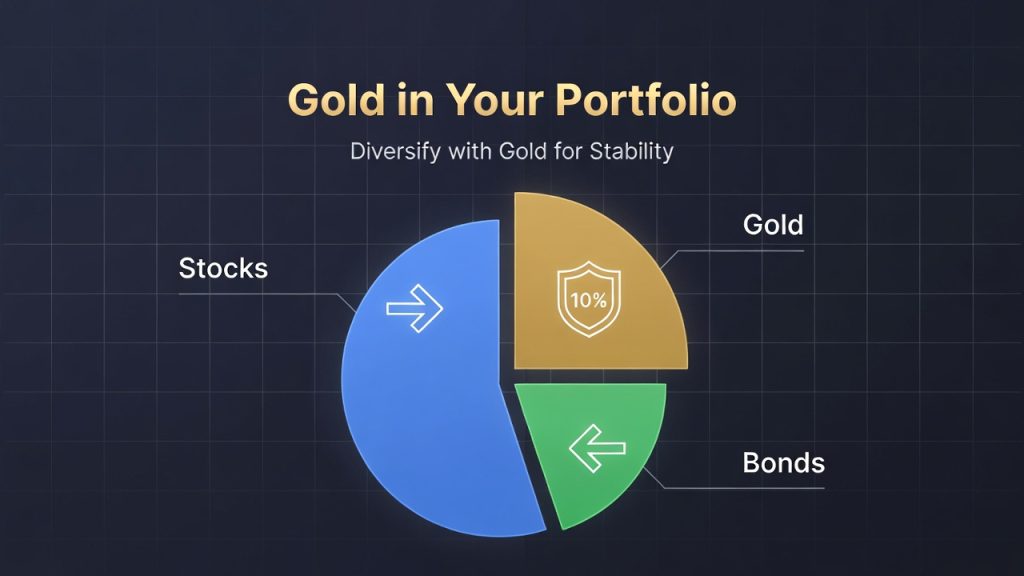
How Gold Fits into a Diversified Portfolio: Role as a Non-Correlated Asset

Diversification stands as a cornerstone of sound investing. Rather than placing all capital in one place, the process spreads exposure across different assets to manage risk without necessarily sacrificing long-term potential. Most beginners start with stocks and bonds, perhaps through index funds or ETFs, aiming for balanced growth and income. As portfolios mature, many investors

How Gold Fits into a Diversified Portfolio: Role as a Non-Correlated Asset Read Post »

trading tools 2026
Tools

What Are Trading Tools? How They Boost Your Investing Results in 2026

Introduction Investing in 2026 is more accessible than ever before. With smartphones, low-cost brokers, fractional shares, and global market access, anyone in Benin City, Lagos, Abuja — or anywhere in Nigeria — can start building wealth. Yet most beginners quickly realize that raw information overload is one of the biggest barriers to consistent success. Headlines

What Are Trading Tools? How They Boost Your Investing Results in 2026 Read Post »

shareholder value
Insights

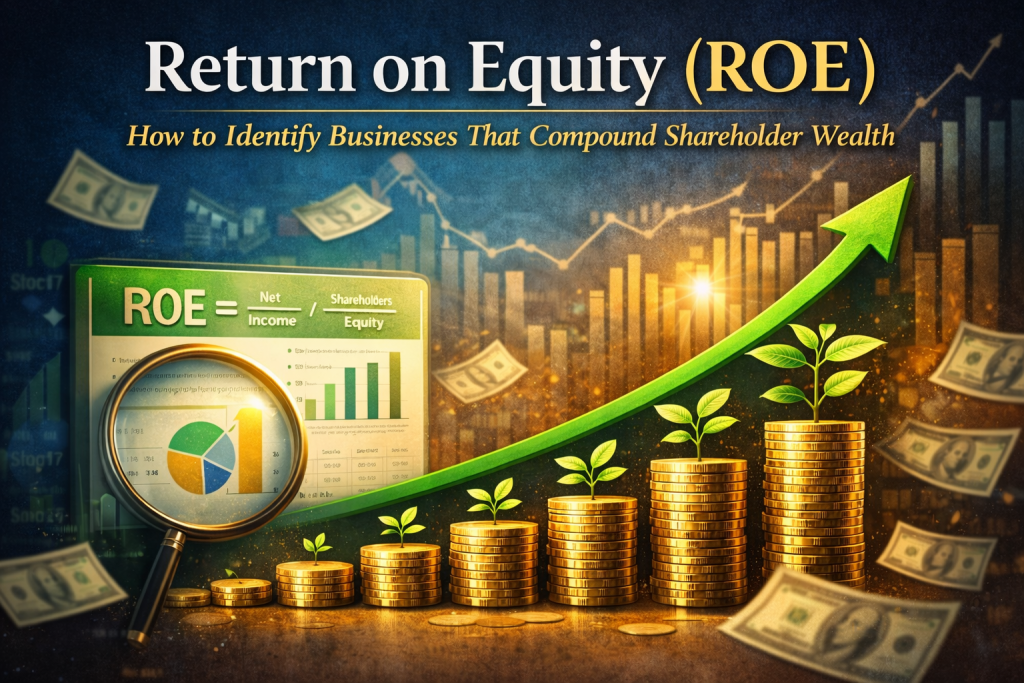
Return on Equity (ROE): How to Identify Businesses That Compound Shareholder Wealth

Introduction Investing successfully over the long term is about more than just picking stocks. To consistently build wealth, investors need to understand how companies create value for shareholders. One of the most powerful metrics for this is Return on Equity (ROE). ROE measures how efficiently a company uses its shareholders’ capital to generate profits. High

Return on Equity (ROE): How to Identify Businesses That Compound Shareholder Wealth Read Post »

The Power Of Compounding
Insights

The Power of Compounding: How Time Turns Good Investments into Great Wealth

Introduction In the world of investing, there are many strategies, theories, and metrics that investors use to try to beat the market. Some focus on valuation, others on market timing, and some rely on complex trading strategies. However, one concept stands above almost everything else in its ability to build long-term wealth: compounding. The power

The Power of Compounding: How Time Turns Good Investments into Great Wealth Read Post »

The Profitability Factor: Why Highly Profitable Companies Often Deliver Better Long-Term Returns
Insights

The Profitability Factor: Why Highly Profitable Companies Often Deliver Better Long-Term Returns

Introduction One of the central goals of investing is identifying companies capable of generating strong and sustainable returns for shareholders. While many investors focus on growth projections, market sentiment, or valuation metrics, a large body of financial research suggests that a simpler indicator may be equally powerful: profitability. Over the past several decades, academic studies

The Profitability Factor: Why Highly Profitable Companies Often Deliver Better Long-Term Returns Read Post »

Common Investing Mistakes Beginners Make
Guides

Common Investing Mistakes Beginners Make (And How to Avoid Them)

Common Investing Mistakes Beginners Make (And How to Avoid Them) Learning from Others’ Mistakes Saves You Money Every successful investor has made mistakes—especially early on. The good news? Most beginner errors are avoidable and repeatable. By learning them now, you can skip years of costly lessons and build wealth more efficiently. In 2026, with easy

Common Investing Mistakes Beginners Make (And How to Avoid Them) Read Post »

best passive income investments beginners
Guides

Passive Income for Beginners: Best Ways to Get Started in 2026

Passive Income for Beginners: Best Ways to Get Started in 2026 Introduction: What Passive Income Really Means for New Investors Passive income is money earned with minimal ongoing effort after initial setup—think dividends from stocks, interest from bonds, or distributions from funds. For beginners, it’s one of the most powerful ways to build long-term wealth

Passive Income for Beginners: Best Ways to Get Started in 2026 Read Post »

Scroll to Top